
Australia, planned around your access needs
Whether you travel with a wheelchair, low vision, as a Deaf or hard of hearing person, neurodivergent, managing fatigue or chronic illness, or with a support team: this guide gives you the verified facts to decide if Australia is right for you, and how to do it well.
Know before you go
The decisions that shape an accessible trip to Australia happen months before departure. These are the ones travellers most often discover too late.
Bringing an assistance dog takes months, not weeks
Australia has strict biosecurity. Assistance dogs can enter, but the permit, vaccination and testing process typically takes 6 months or more and shapes your whole itinerary. We manage this process with you: start it first.
Powered wheelchairs and batteries on aircraft
Battery type, wattage and documentation rules differ by airline. We pre-clear your equipment with the carrier, arrange aisle chairs and hoists where available, and plan recovery time after a 20 hour journey.
Medication, insurance and healthcare
Carry prescriptions and a doctor's letter; some medicines need declaration on arrival. Australia has excellent hospitals in every capital. Travel insurance covering pre-existing conditions is strongly recommended, and we can point you to specialist insurers.
Visas are simple for most visitors
Most UK, EU, US, Canadian and Asian passport holders use a fast online eVisitor or ETA. There are no health barriers to standard tourist visas for disabled travellers.
Big country, calm pacing
Australian cities are less densely crowded than European ones, and quiet-hour sessions, sensory maps and social stories are increasingly common at major attractions. We build low-sensory routing and rest days into every plan.
What it costs
Every trip is quoted individually around your accommodation, transfer and support needs. Sample itinerary shapes are further down this page, and a specialist can give you a firm price fast.

Getting here and getting around
Airports that expect you
All major international airports (Sydney, Melbourne, Brisbane, Perth, Adelaide, Gold Coast, Cairns, Hobart) run the Hidden Disabilities Sunflower program, with trained staff and quiet routes. Qantas and Virgin operate passenger hoists at key ports for safe aircraft transfers.
About the Sunflower program (opens in new tab)Accessible transport in every capital
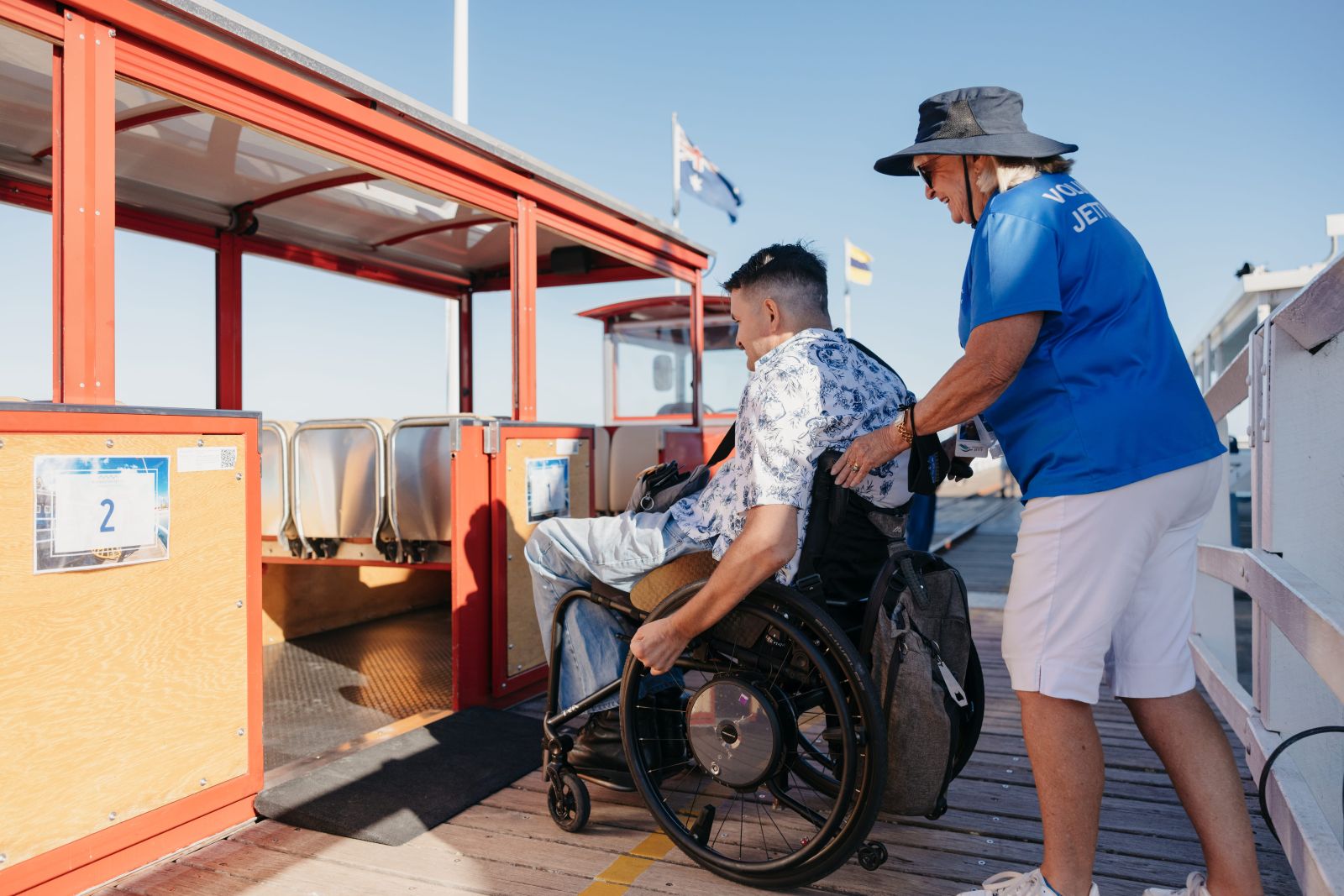
Trains, trams, ferries and buses across the capitals offer level or ramped boarding. Wheelchair accessible taxis and pre-booked WAV transfers operate nationwide, and hand-control hire vehicles are available for self-drivers. We book every leg, door to door.
Navigating with low vision
Tactile ground indicators, braille signage and audio announcements are standard across major public transport networks, and pedestrian crossings signal audibly. Guided touring replaces guesswork where infrastructure thins out.
Distance is the real planning question
Sydney to Uluru is around a 3 hour flight. Cairns to Melbourne is further than London to Moscow. Good accessible trips here choose two or three bases and fly between them; we design routings that protect your energy.
Access infrastructure you can rely on
Australia has quietly built some of the best public access infrastructure anywhere. Knowing it exists changes what a day out looks like.
Changing Places
Full-size adult change facilities with hoists and space for two carers, in every capital and growing fast in regional centres.
Find Changing Places facilities (opens in new tab)National Public Toilet Map
A government-run map of thousands of accessible toilets nationwide. We check that accessible facilities along your route suit your specific needs.
Open the National Public Toilet Map (opens in new tab)Accessible beaches
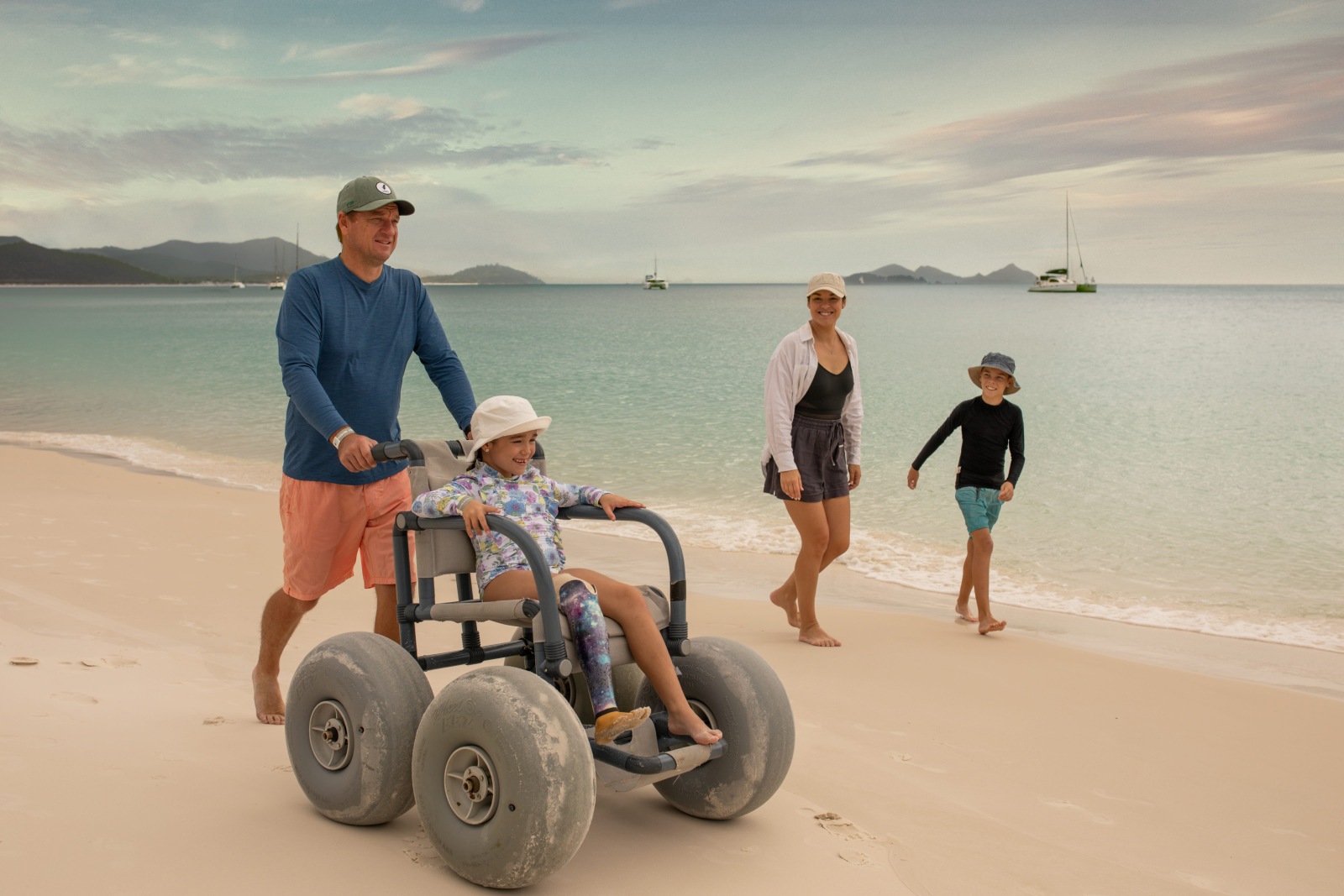
Beach matting, beach wheelchairs and accessible swimming enclosures at dozens of beaches from the Gold Coast to Fremantle.
See accessible beach locations (opens in new tab)Auslan & hearing access
Auslan-interpreted and captioned tours at icons like the Sydney Opera House; hearing loops common in theatres and museums. BSL users adapt quickly; ASL users should plan interpreters with us.
Opera House access programs (opens in new tab)Choose your Australia
Every state has a different access personality. Start where it matches your needs.
Queensland
Reef, beaches and theme parks with the country's strongest accessible-tourism momentum, host of Brisbane 2032.
Explore QueenslandNew South Wales
Sydney's step-free harbour icons plus the Blue Mountains' accessible lookouts and scenic cableway.
Explore NSWVictoria
Compact, cultural and flat: accessible laneways, galleries with sensory sessions, penguins at Phillip Island.
Explore VictoriaWestern Australia
Perth's easy scale, Rottnest by accessible ferry, and structured adventures north to Broome and the Kimberley.
Explore WASouth Australia
A walkable, wheelable capital ringed by wine regions doing seated, sensory-friendly tastings well.
Explore SATasmania
Short distances, cool air and heritage sites with genuine access work behind them, MONA included.
Explore TasmaniaNorthern Territory
Uluru, Kakadu and Darwin: access here means structured, well-supported experiences, and they deliver.
Explore NTCanberra
The most systematically accessible city in the country: flat, planned, and home to tactile-tour national institutions.
Explore ACTSomewhere else in mind?
These pages are starting points. We design bespoke accessible journeys anywhere in Australia.
Tell us whereExperiences you may not believe are accessible
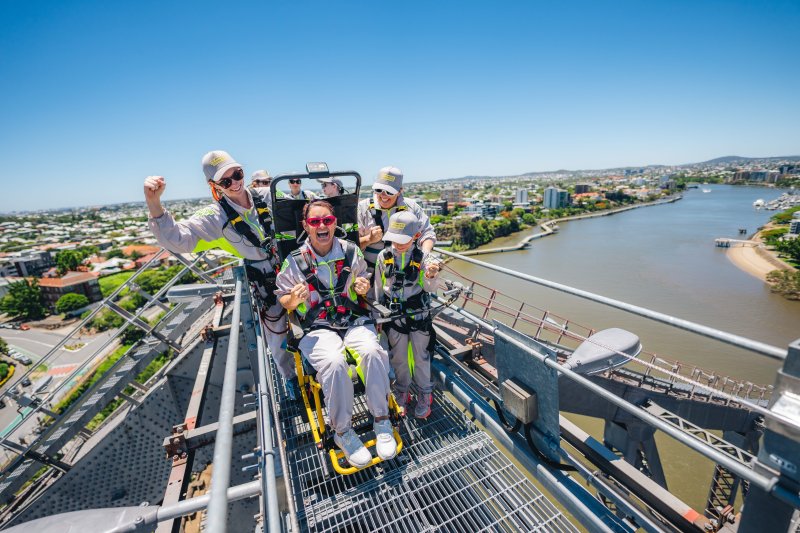
Climb the Story Bridge, Brisbane
The world's first bridge climb designed for people with disability, using a motorised stair-climbing wheelchair to reach the summit above the river.
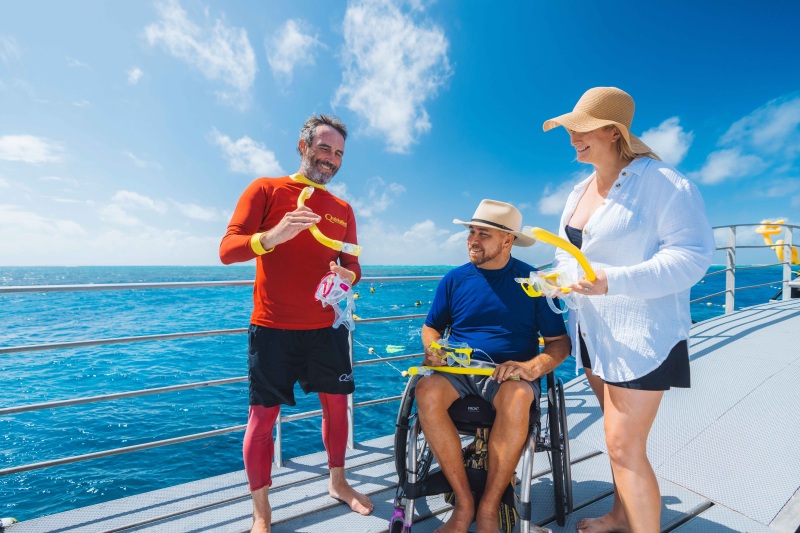
The Great Barrier Reef, without barriers
Reef pontoons with accessible transfers, submersible viewing and supported snorkelling put the reef within reach at a pace you set.

Uluru, described
The multilingual audio guide narrates the full base walk for blind and low vision travellers, alongside accessible viewing areas for sunrise and sunset.
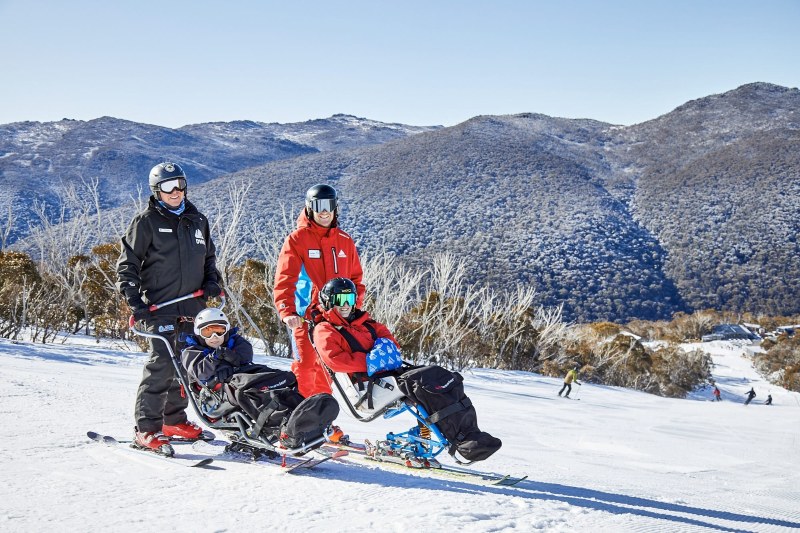
Adaptive surf and snow
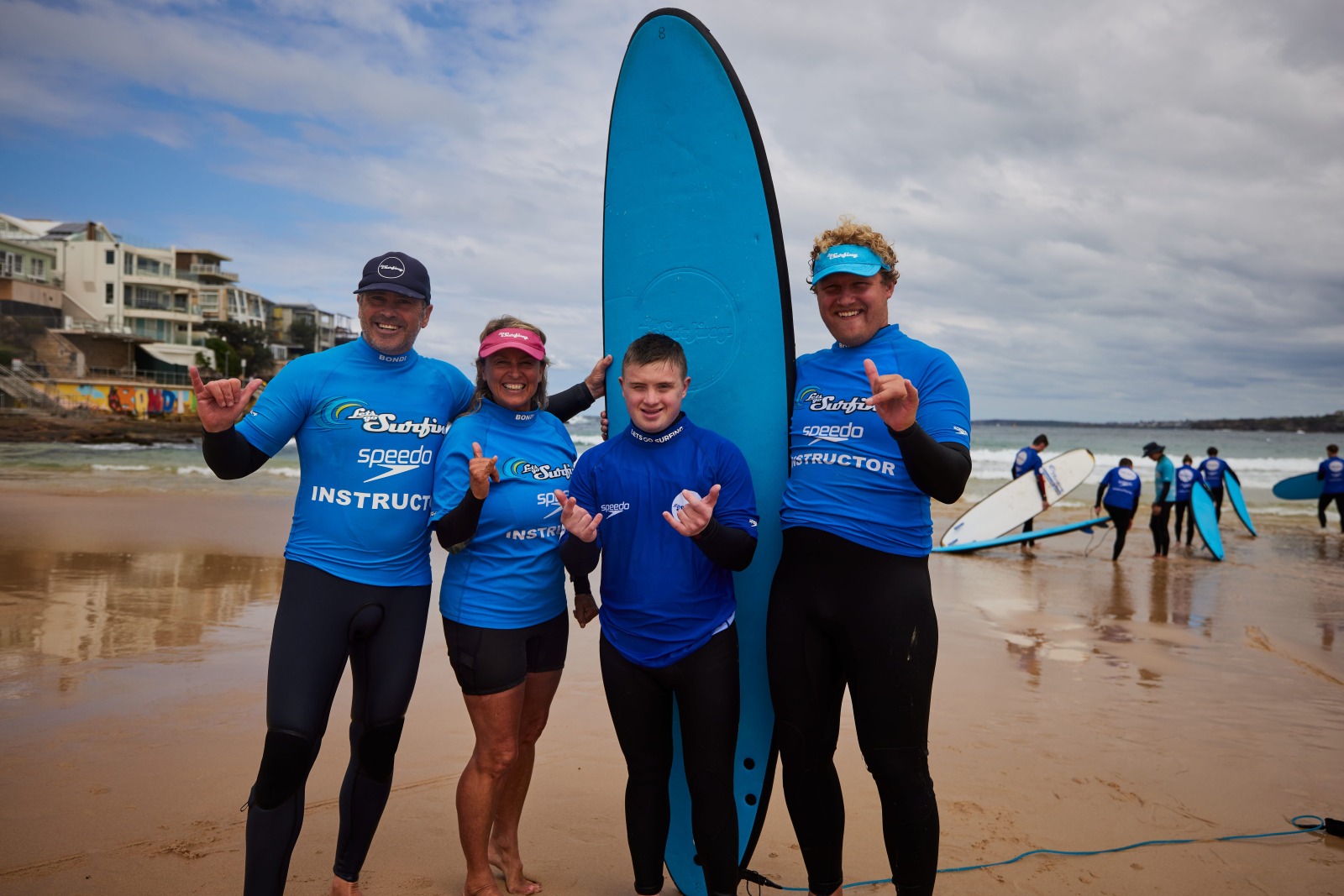
Adaptive surfing at Byron Bay and adaptive skiing at Thredbo, with trained instructors and specialist equipment included.
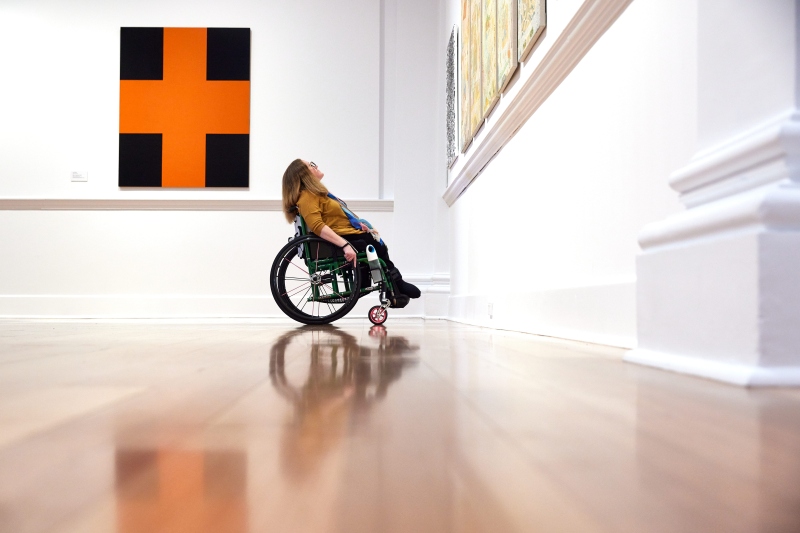
Low-sensory culture
Quiet sessions, sensory maps and social stories at major museums, plus relaxed performances at the Sydney Opera House.

Auslan-guided icons
Signed and captioned tours across landmark venues, and hearing-accessible hotel rooms with visual alarms and captioned TV.
Access details verified by our team on the ground and re-checked live for every booking. Last section review: July 2026.
What a trip looks like
Every itinerary is rebuilt around your needs. These samples show the shape of a fully supported trip, including accessible accommodation, transfers and daily touring. Ask us for current pricing built around your needs.
City samplers
Short accessible escapes
Prices are per person twin share in low season and vary with your access requirements. Support workers, nursing care and equipment hire (electric beds, hoists, shower commodes, scooters) are all available to international visitors on a private basis: you do not need to be an NDIS participant.
Questions international travellers ask us
Is Australia a good destination for wheelchair users?
Yes, and increasingly one of the best. Capital cities have level-boarding public transport, accessible taxis, Changing Places facilities and step-free access at most major attractions. The gaps are in remote areas, which is where guided, pre-verified itineraries matter.
Can I hire mobility equipment instead of flying with mine?
Yes. We arrange electric beds, hoists, shower commodes, wheelchairs and scooters delivered to your accommodation anywhere on your route, short or long term.
Can I bring my own support worker, or hire one there?
Both. Your support worker travels on a standard visitor visa. We can also provide screened local support workers, registered nurses and multilingual carers for all or part of your trip.
When is the best time to visit?
The southern cities shine from October to April; the tropical north (Cairns, Darwin, the Kimberley) is at its best in the dry season, May to October, which also suits heat-sensitive travellers. We plan routing around your dates, not the other way around.
How does booking through AccessibleOz work?
Tell us your needs, energy patterns and wishlist. We design an itinerary, verify every access detail live against your specific requirements, and coordinate accommodation, experiences, transport, equipment and support into one plan with one point of contact from enquiry to home again.
Travel advisor or tour operator?
Net rates, the Itinerary Studio and our Destination Guide & Supplier Pack are ready for you.