

Accessible Canberra & the ACT
Australia's planned capital is also one of its most accessible: purpose-built institutions, wide level boulevards and a lake at its centre. The national museums and galleries sit within a compact triangle, most are free, and nearly all were designed with access in mind from the start.
Getting there and getting around
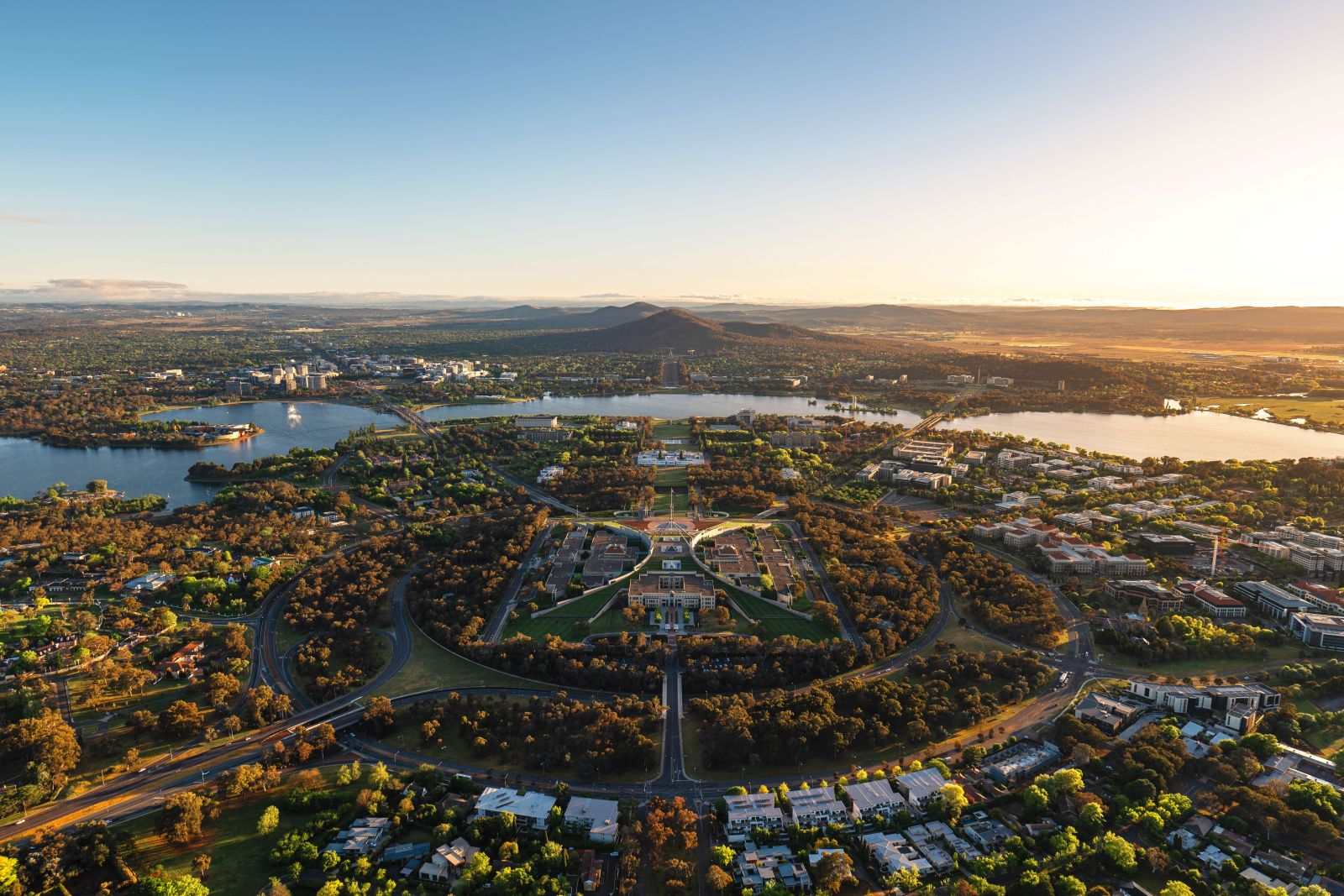
A city designed, not grown
Canberra was planned, and it shows in the access: wide level boulevards, generous footpaths and purpose-built institutions rather than retrofitted heritage buildings. It is one of the more predictable Australian cities to move around.
Light rail, buses and short hops
The light rail and bus network cover the main corridors, and distances between the major attractions are short. Accessible taxis and rideshare fill the gaps, and a vehicle helps for the outlying sights.
Cluster the institutions
The parliamentary triangle puts several national institutions within a small radius, so you can do one or two properly and rest between them rather than criss-crossing the city.
Genuinely cold winters
Canberra gets colder than most Australian cities, with frosts through winter. Cold affects mobility, pain levels and energy for many travellers, so we plan indoor-heavy itineraries and warm transfers in those months.
Canberra and the surrounding region
Start where the access matches your needs. Region guides are being verified and published progressively.
The parliamentary triangle
Parliament House, the National Gallery, the National Portrait Gallery and Questacon within a compact, level radius.
Plan the triangleLake Burley Griffin
Level lakeside paths, the National Carillon and open parkland, ideal for a low-demand day between institutions.
Plan a lakeside dayAustralian War Memorial
One of the country's most significant institutions, with accessible galleries and a moving daily Last Post ceremony.
Plan a memorial visitTidbinbilla & the reserves
Native wildlife and bushland just outside the city, with selected accessible trails and boardwalks.
Plan a nature dayCanberra district wine
Cool-climate cellar doors on the city's edge, doing seated tastings at an unhurried pace.
Plan a wine daySouthern Highlands & the coast
Gardens, heritage villages and the South Coast beaches, all within a comfortable drive for a longer trip.
Plan a wider loopVerified Canberra highlights
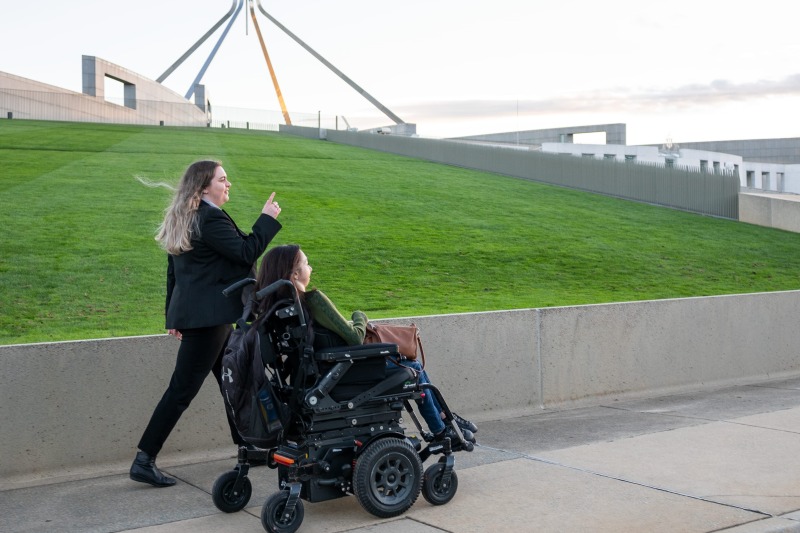
Parliament House
Purpose-built with access designed in: level entry, lifts throughout, accessible tours and the rooftop lawn with views across the triangle. Free to enter.
- Level entry and lifts throughout
- Accessible guided tours
- Free entry
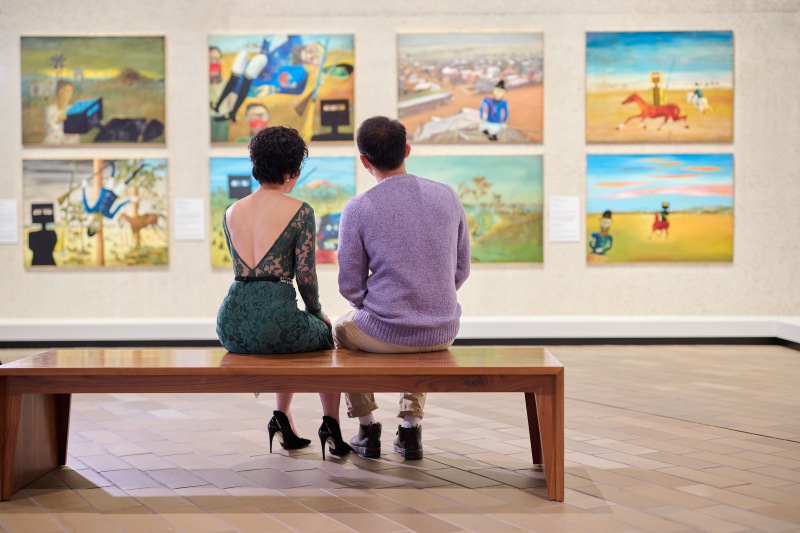
National Gallery of Australia
Modern galleries with strong access provision, including lift access, accessible facilities and programs for blind, low vision, Deaf and neurodivergent visitors.
- Lift access throughout
- Access programs available
- Free general entry
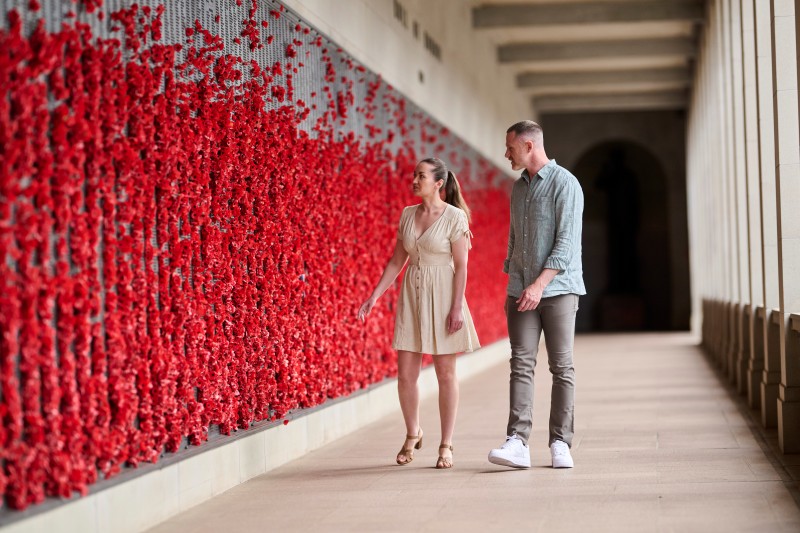
Australian War Memorial
Accessible galleries and a daily Last Post ceremony that is genuinely moving. The scale is large, so we plan which sections to see rather than attempting all of it.
- Accessible galleries
- Daily Last Post ceremony
- Planned partial visits
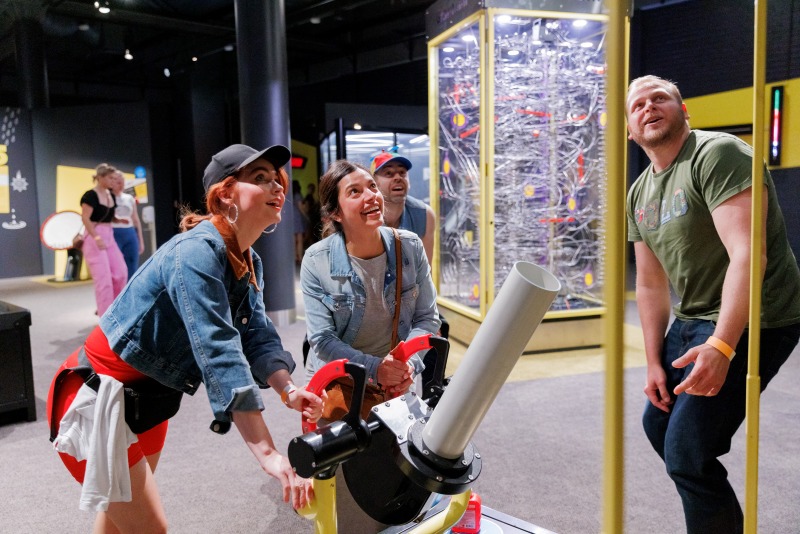
Questacon
Australia's science and technology centre is hands-on by design, with lift access across levels and a sensory-aware approach that suits neurodivergent visitors and families.
- Hands-on, lift access
- Sensory-aware sessions
- Good for mixed-age groups
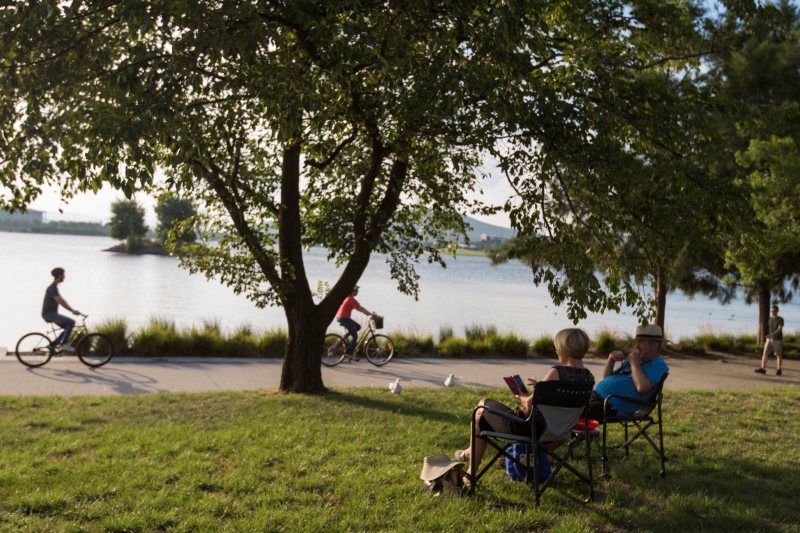
Lake Burley Griffin paths
Level lakeside paths with seating, open sightlines and the option to do as much or as little as your energy allows. The city's best low-demand day.
- Level paths and seating
- Flexible distance
- Low sensory load
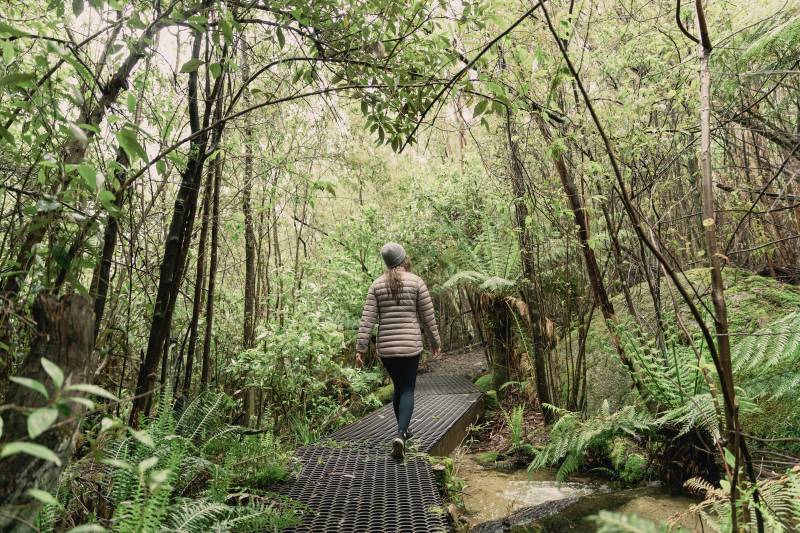
The Cascades Trail
Bushland, water and birdsong on a graded trail a short drive from the city. It is the easiest way to swap the parliamentary triangle for gum trees without committing to a climb.
- Graded trail surface
- Short drive from the city
- Rest points along the way
When to go
Autumn and spring are the best months
Autumn brings the colour the city is known for, and spring brings Floriade and mild days. Both offer the most comfortable conditions for moving between the institutions and the lake.
Winter is cold, and that matters
Canberra is genuinely colder than the coastal capitals, with frosts and cold mornings. For travellers whose pain or mobility is cold-sensitive, we build indoor-heavy itineraries and warm door-to-door transfers.
What a Canberra trip looks like
Sample shapes, rebuilt around every traveller. Ask us for current pricing around your needs.
Canberra institutions · 3 days
Canberra & surrounds · 5 days
What makes it work
Institutions clustered so you rest between them rather than criss-crossing the city, accessible accommodation verified against your actual needs, transfers arranged door to door, cold-weather planning for winter visits, and free entry at most national institutions keeping the budget for what matters. One itinerary, one point of contact.
See more itinerary shapesCanberra questions we answer most
Is Canberra good for accessible travel?
It is one of the better Australian cities for it. Because the city was planned rather than grown, the boulevards are wide and level and the national institutions were purpose-built to modern accessibility standards rather than retrofitted.
Are the national institutions free?
Most offer free general entry, including Parliament House, the National Gallery and the Australian War Memorial, though special exhibitions may be ticketed. It makes Canberra unusually good value for a culture-focused trip.
How long do I need in Canberra?
Three days covers the major institutions comfortably at an accessible pace. Five lets you add Tidbinbilla, the wine district and a proper recovery day.
Do I need a car?
Not for the parliamentary triangle, where distances are short and the light rail and buses cover the main corridors. A vehicle or accessible transfer helps for Tidbinbilla and the wine district.
When is the best time to visit Canberra?
Autumn for the colour and spring for Floriade and mild days. Winter is genuinely cold with frosts, which matters if cold affects your pain levels or mobility.
Official Canberra access resources
The territory's own planning tools, worth reading alongside this guide.
A wheelchair-friendly weekend in Canberra (opens in new tab)Transport Canberra accessibility (opens in new tab)Before you lock anything in
Whoever you book through, these are the details worth confirming rather than assuming.
- Accessible parking near each institution
- Winter heating and warm transfer arrangements
- Which galleries to prioritise, given the scale
Travel advisor or tour operator?
Net rates, the Itinerary Studio and our Destination Guide & Supplier Pack are ready for you.