

Accessible Tasmania
Rich culture, exceptional food and wine, and nature within reach of the city, all at a slower and more considered pace. Tasmania is not built for speed: distances are manageable but roads wind, weather shifts and terrain varies. Planned properly, it becomes calm, immersive and genuinely rewarding.
Getting there and getting around
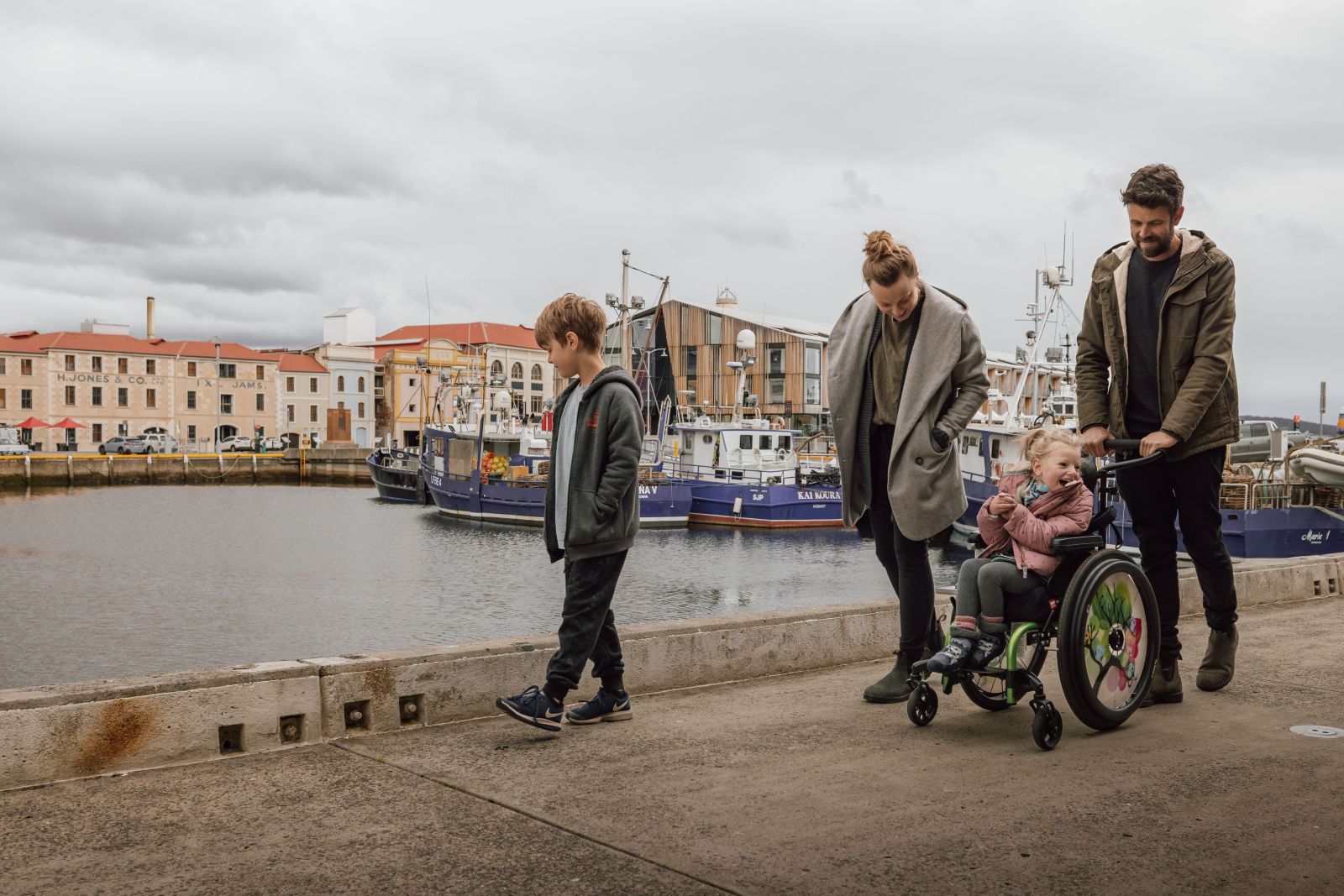
Hobart is compact, but hilly
The key attractions cluster around the waterfront and CBD, which makes the city manageable. It is genuinely not flat though, so route planning matters and taxis or rideshare earn their place on the hills.
Guided touring beats self-driving here
Bruny Island, Port Arthur and the regional highlights are best reached by guided day tours or private transfers. It removes the logistics, and the winding roads are considerably more tiring to drive than the distances suggest.
Pace first, volume second
Travel here is less about distance and more about energy and terrain management. We design fewer, better days with space to pause and reset, because Tasmania rewards being experienced slowly.
Weather is part of the experience
Conditions change quickly, and temperature, wind and rain exposure all affect comfort and mobility. Flexible itineraries with indoor alternatives already chosen are the difference between a good day and a washout.
Tasmania's regions, by access personality
Start where the access matches your needs. Region guides are being verified and published progressively.
Compact by Australian standards, but the roads wind and the weather turns. Pace matters more than distance.
Hobart
A walkable waterfront and CBD with galleries, markets and dining, plus kunanyi rising behind. Central, practical and close to services.
Plan Hobart daysBruny Island
Food, nature and scenery combined into a single hosted day, which removes the logistics while keeping the variety.
Plan Bruny IslandPort Arthur & Tasman Peninsula
Convict history and dramatic coastal scenery, best approached with a planned route or a guided tour.
Plan Port ArthurHuon Valley
Slower southern touring with food, wine and forest, an easy day loop from Hobart.
Plan the Huon ValleyFreycinet & Wineglass Bay
White sand, granite peaks and the east coast's milder weather, with selected lookouts that genuinely work.
Plan the east coastLaunceston & Tamar Valley
A compact northern city with a gorge on its doorstep and cool-climate wine along the river.
Plan LauncestonCradle Mountain
Iconic alpine wilderness with boardwalk sections at Dove Lake, planned around weather and shuttle access.
Plan Cradle MountainStrahan & the west
Wild rivers, rainforest and harbour cruises in the state's remote west, at a genuinely slow pace.
Plan the west coastVerified Tasmania highlights
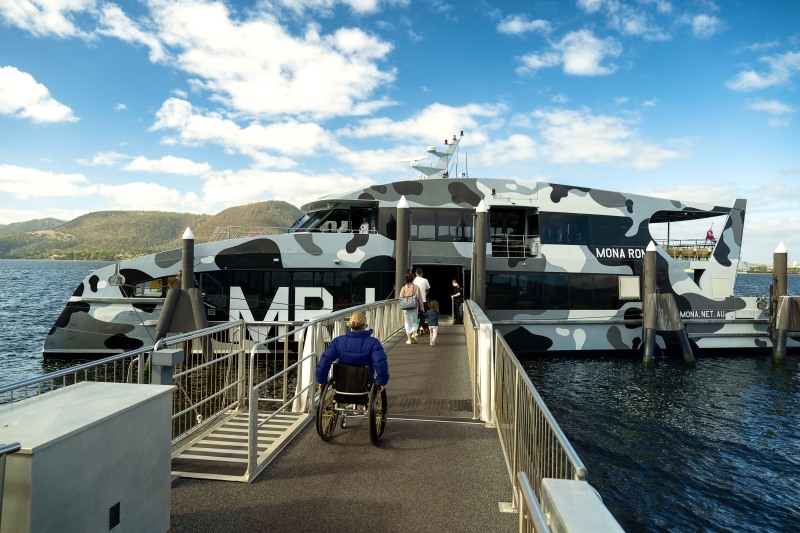
MONA, by ferry
The camouflage-painted MONA ROMA ferry runs from the Hobart waterfront to the gallery door, boarding by gangway rather than steps. Inside, lift access and well-managed visitor flow make it far more predictable than its reputation suggests.
- Gangway boarding, no steps
- Lift access throughout the gallery
- Managed visitor flow
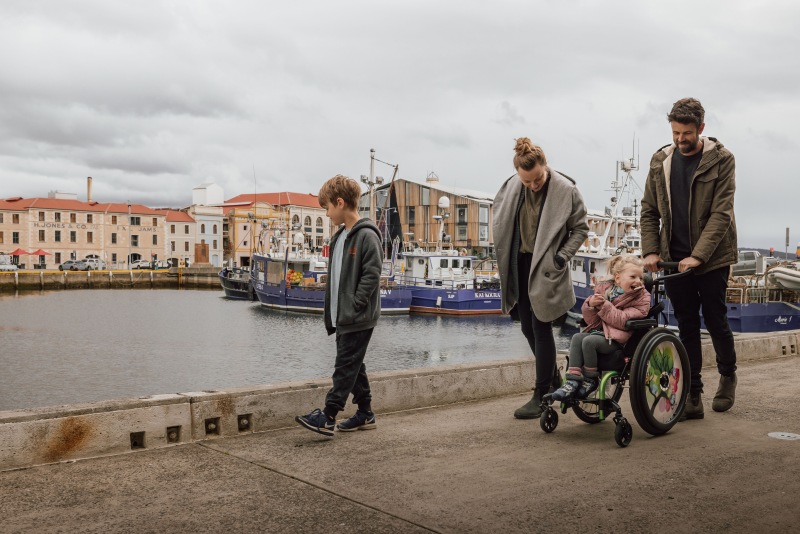
Hobart waterfront and Salamanca
Walkable precincts, galleries, the Salamanca markets and waterfront dining make a reliable base for flexible, low-demand days between bigger outings.
- Walkable level precincts
- Markets and galleries
- Accessible dining nearby
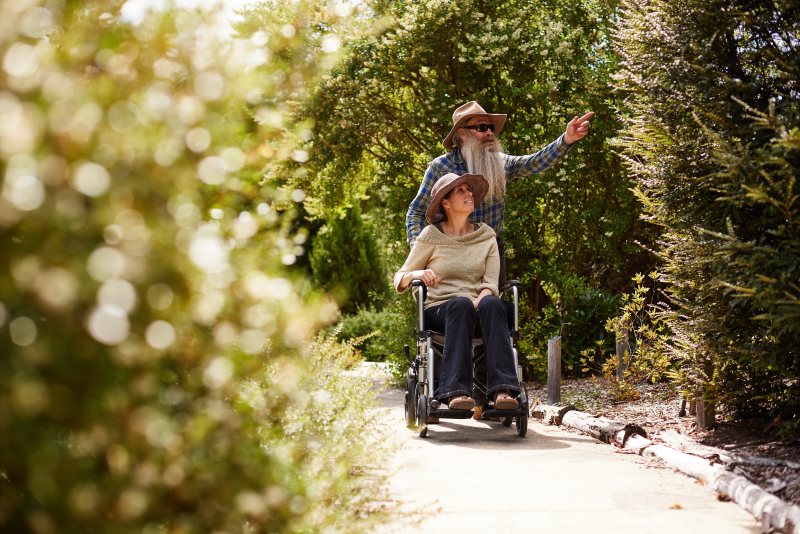
Bruny Island, hosted
Food, wildlife and coastal scenery in one guided day. Hosting is the access feature: someone else manages the ferry, the timing and the driving while you enjoy the variety.
- Single hosted day
- Ferry and timing handled
- Food and scenery combined
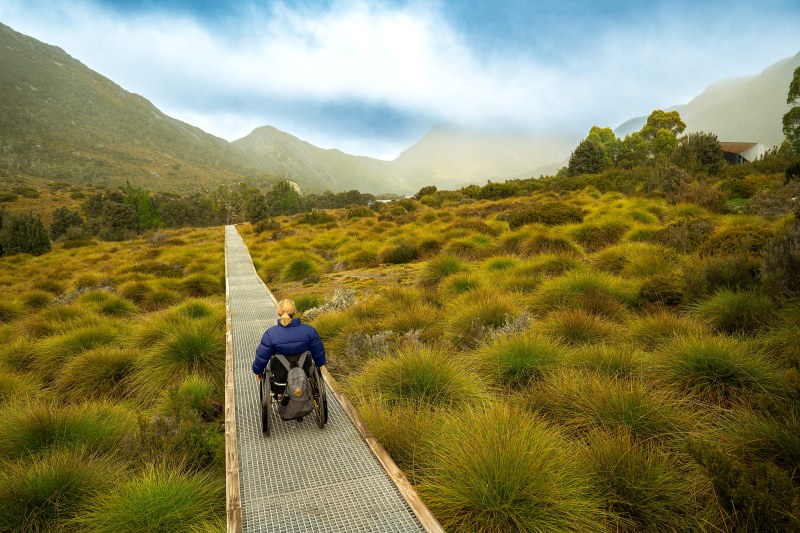
Cradle Mountain boardwalks
Tasmania's alpine icon has boardwalk sections that carry you out into button grass and mountain air without a demanding climb. Weather turns fast up here, so timing and shuttle access are part of the planning.
- Boardwalk sections into the park
- Shuttle access arranged
- Planned around the weather
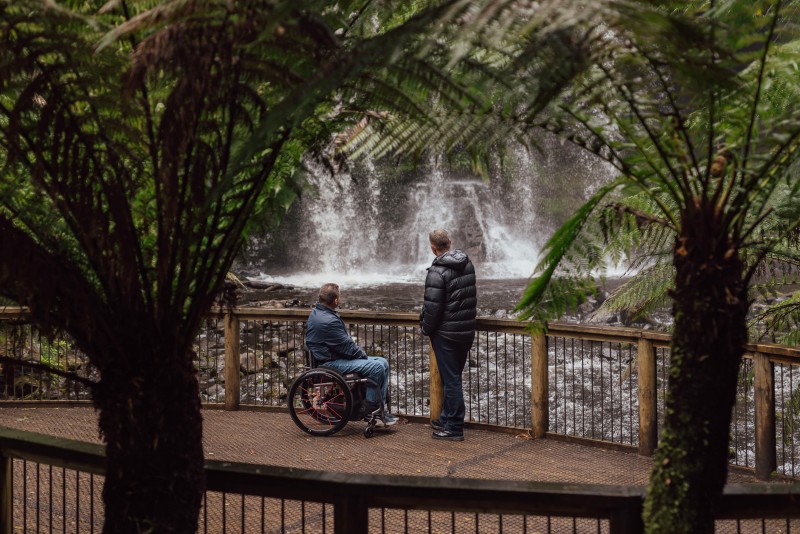
Russell Falls, Mount Field
One of the most rewarding short outings in the state: a level path through tree ferns to a viewing platform at the base of the falls. Rainforest, sound and spray, with no climbing required.
- Level path to the viewing platform
- Rainforest without a climb
- Close to Hobart as a day trip
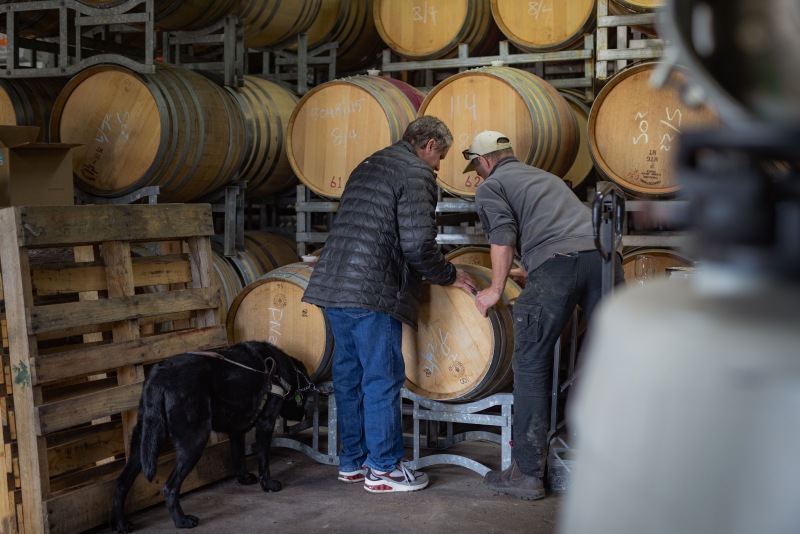
Cellar doors that welcome everyone
Tasmania's smaller vineyards do hospitality personally. Guide dogs are welcome, and the good ones will walk you through the barrel room and describe what you are tasting rather than simply pouring it.
- Guide dogs welcome at selected venues
- Hosted, described tours
- Slower pacing by design
When to go
Summer and autumn for comfort
December to February is mild and lively, the best window for outdoor exploring. March to May is quieter and excellent for food and wine, with settled conditions and fewer crowds.
Winter and spring, on their own terms
June to August is cooler and slower, with strong cultural events and genuinely low crowd pressure. Spring is fresh with fewer visitors but variable weather. Flexibility matters in any season here.
What a Tasmania trip looks like
Sample shapes, rebuilt around every traveller. Ask us for current pricing around your needs.
Hobart & the south · 5 days
Hobart to the east coast · 7 days
What makes it work
Fewer, better days with genuine recovery time, accommodation checked for step-free access, bathroom layout and bed height, gradients and entry points verified before we commit to a route, guided touring chosen over self-driving on the winding regional roads, and indoor alternatives ready for the weather. One itinerary, one point of contact.
See more itinerary shapesTasmania questions we answer most
Is Hobart wheelchair accessible?
The waterfront and CBD cluster is compact and workable, but Hobart is genuinely not flat. Route planning around gradients matters, and taxis or rideshare help considerably on the hills. Some heritage buildings have access limitations.
Is MONA accessible?
It is one of the more predictable experiences in the state: ferry access from the waterfront, lift access throughout and well-managed visitor flow, which makes pacing much easier than at a crowded venue.
Should I hire a car in Tasmania?
You can, but for regional days we usually recommend guided touring or private transfers. The roads wind more than the distances suggest, and driving them is considerably more tiring than the map implies.
What is the best time to visit Tasmania?
Summer is mild and best for outdoor exploring, autumn is excellent for food and wine with fewer crowds, and winter brings strong cultural events at a slower pace. The weather is variable year round, so flexibility helps in any season.
Can I see Tasmania's wilderness without difficult walking?
Yes, selectively. Boardwalk sections, managed visitor precincts and selected lookouts give real access to the scenery, and hosted day tours handle the logistics of getting there.
Official Tasmania access resources
The state's own planning tools, worth reading alongside this guide.
Discover Tasmania accessible travel (opens in new tab)Tasmania Parks and Wildlife accessibility (opens in new tab)Before you lock anything in
Whoever you book through, these are the details worth confirming rather than assuming.
- Gradients and walking distances at key sites
- Tour operator accessibility and pacing
- Bathroom layouts and bed height in heritage stays
Travel advisor or tour operator?
Net rates, the Itinerary Studio and our Destination Guide & Supplier Pack are ready for you.