




Skip to content
Accessible Australia Campaign - TAS

Hobart offers a rare balance—rich culture, exceptional food and wine, and easy access to nature, all within a slower, more considered pace. Set between the harbour and kunanyi / Mount Wellington, it’s a destination that rewards travellers who want depth without overwhelm.

Southern Tasmania isn’t built for speed. Distances are manageable, but roads wind, weather shifts, and terrain varies. With the right planning, though, it becomes a place where experiences feel calm, immersive and genuinely enjoyable.

We help travellers with disability, access needs, and complex support requirements explore Hobart and Southern Tasmania in a way that feels safe, dignified and well-paced—not rushed, not uncertain, and not reliant on luck.

Whether you’re travelling as a wheelchair user, with low vision, Deaf or hard of hearing, neurodivergent, managing fatigue or chronic illness, or travelling with an assistance animal or support team—this page is your starting point.

Why Hobart & Southern Tasmania Work For Accessible Travel

Hobart offers a strong foundation for accessible travel when approached thoughtfully:

  • Compact city core: key attractions clustered around the waterfront and CBD
  • High-quality, low-density experiences: fewer crowds, more space to move at your own pace
  • Structured touring options: many regional highlights accessed via guided day tours
  • Food and wine focus: seated, slower-paced experiences built into the destination


Where planning matters:

  • Hills and gradients: Hobart is not flat—route planning is important
  • Heritage buildings: some older sites have access limitations
  • Weather variability: conditions can change quickly, impacting comfort and mobility


With the right structure, Hobart becomes a highly rewarding and manageable destination.

What “Accessible” Means in Real Life

Accessibility isn’t a single feature. A place can be step-free but overwhelming. Or quiet and welcoming but impossible to toilet safely. We plan around the whole experience, including:

Getting there (flights, transfers, rail, taxis, accessible public transport options)

Arrival and movement (parking, drop-off, paths, gradients, doors, lifts)

Toileting & personal care (accessible bathrooms, hoists, Changing Places where needed)

Sensory and cognitive comfort (noise, crowds, lighting, signage, downtime spaces)

Communication (Auslan/visual supports, hearing augmentation, clear written info)

Dignity and support (staff attitudes, privacy, room layout, equipment and backup plans)

How AccessibleOz Builds Tasmania Itineraries

We don’t just “recommend places.” We design trips that reduce uncertainty.

1. We start with you

Your access needs, your energy patterns, your support set-up, your priorities.

2. We match experiences to your version of “easy”

Not the internet’s version – yours.

3. We check details that make or break the day

Clearances, gradients, bathroom layouts, transfer options, sensory triggers, realistic timing.

4. We build in breathing room

Because accessible travel often needs margin – and you deserve a holiday, not a mission.

Accessible Things To Do Hobart & Southern Tasmania

Hobart waterfront + cultural days
Hobart waterfront + cultural days

A reliable base with walkable precincts, galleries, markets and dining—ideal for flexible, low-demand days.


MONA (Museum of Old and New Art)
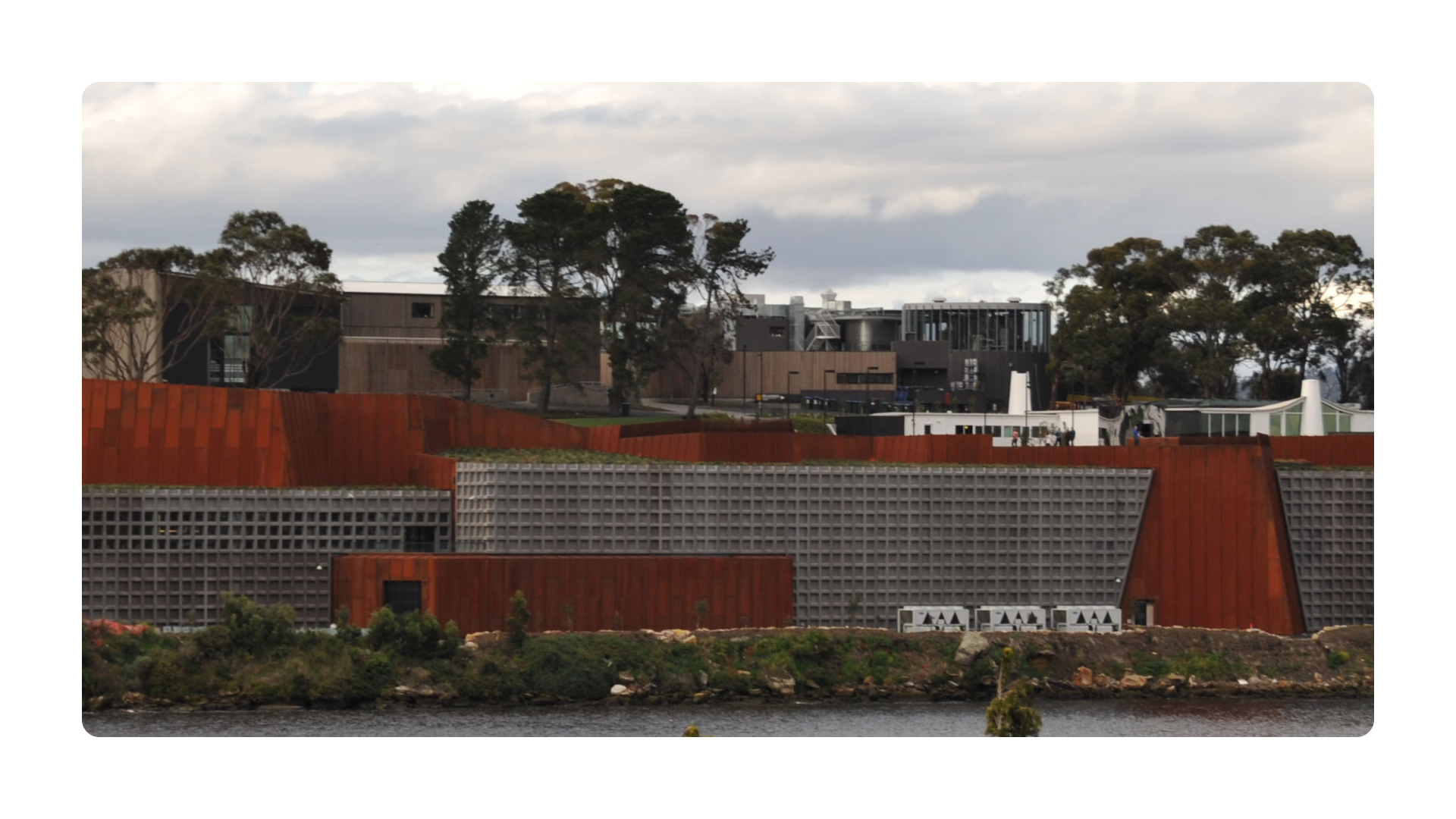
MONA (Museum of Old and New Art)

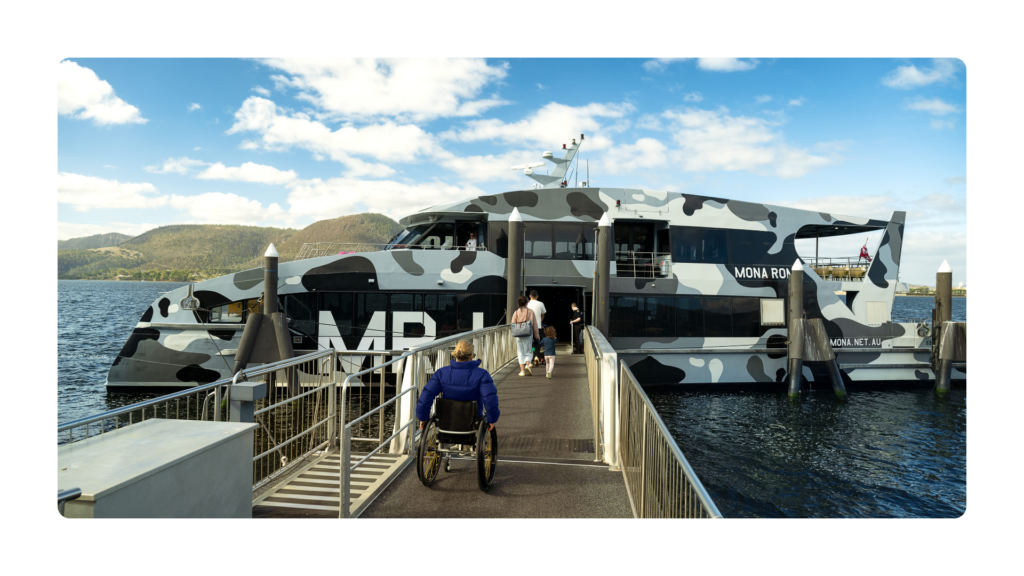
A structured, high-quality cultural experience with ferry access and well-managed visitor flow.


Bruny Island (guided day experience)

Bruny Island (guided day experience)

Combines food, nature and scenery in a single, hosted day—removing logistics while delivering variety.


Port Arthur & Tasman Peninsula

Port Arthur & Tasman Peninsula

A mix of history and dramatic coastal scenery, best approached with a planned route or guided tour.


Huon Valley & Southern Touring
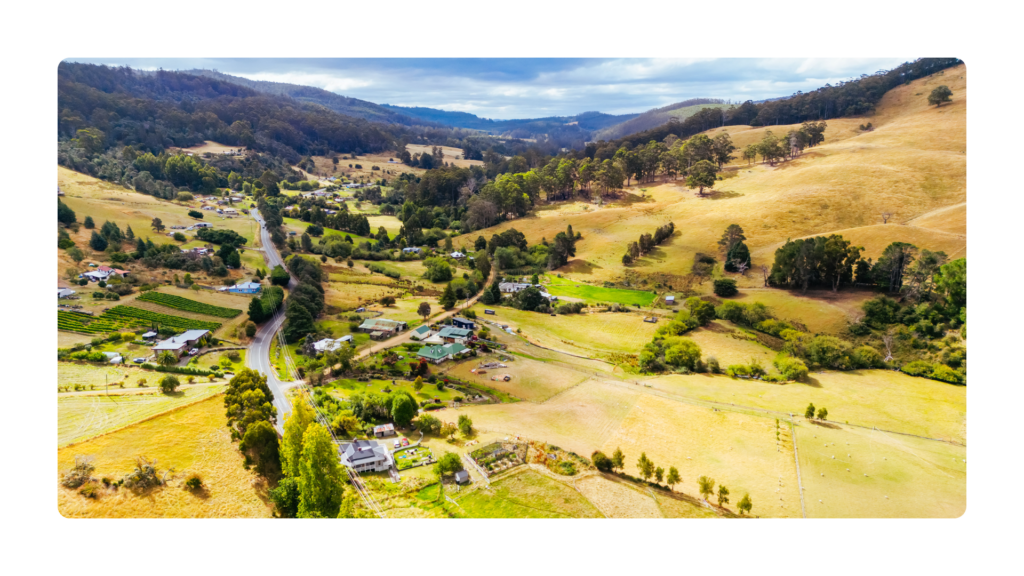
Huon Valley & Southern Touring

Slower-paced regional exploration with food, wine and natural landscapes.
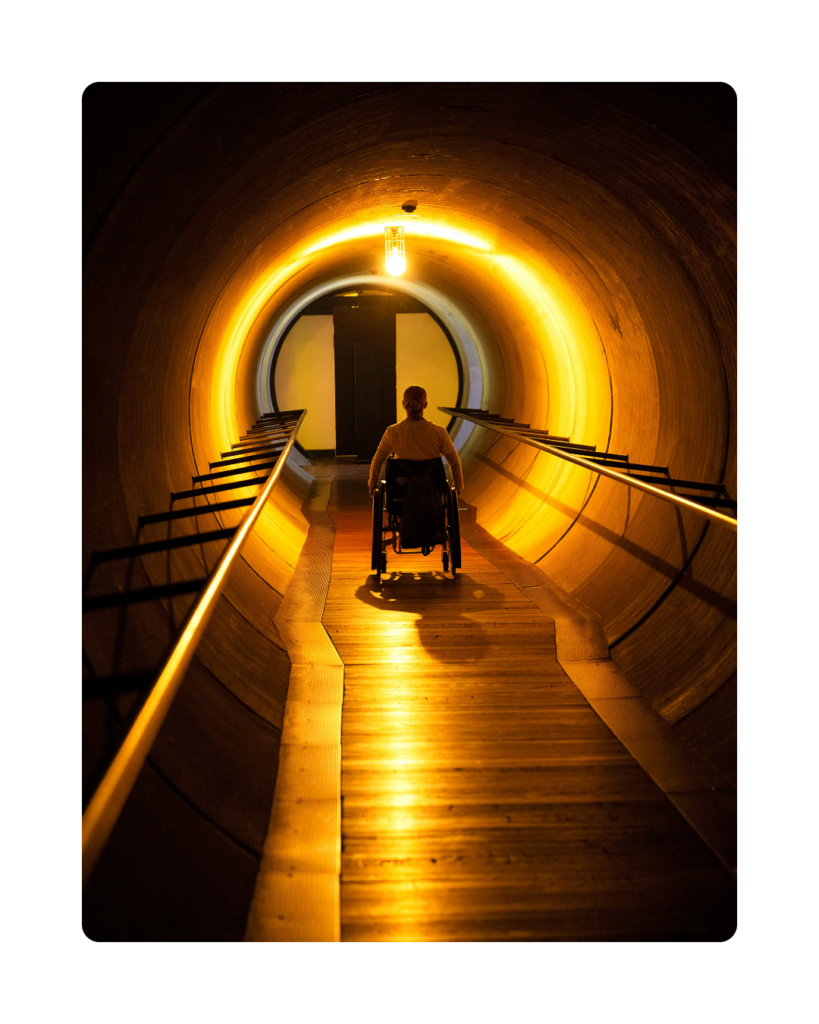

Getting Around Hobart & Southern Tasmania with Access Needs

  • Guided tours: ideal for Bruny Island, Port Arthur and regional areas
  • Private transfers: best for flexibility and reduced fatigue
  • Car hire: useful, but consider winding roads and energy levels
  • Hobart city: partially walkable; taxis/rideshare helpful for hills


Travel here is less about distance, more about energy and terrain management.

Where to Stay

Accommodation plays a key role in comfort and daily recovery.

We help confirm:

  • Step-free access from entry to room
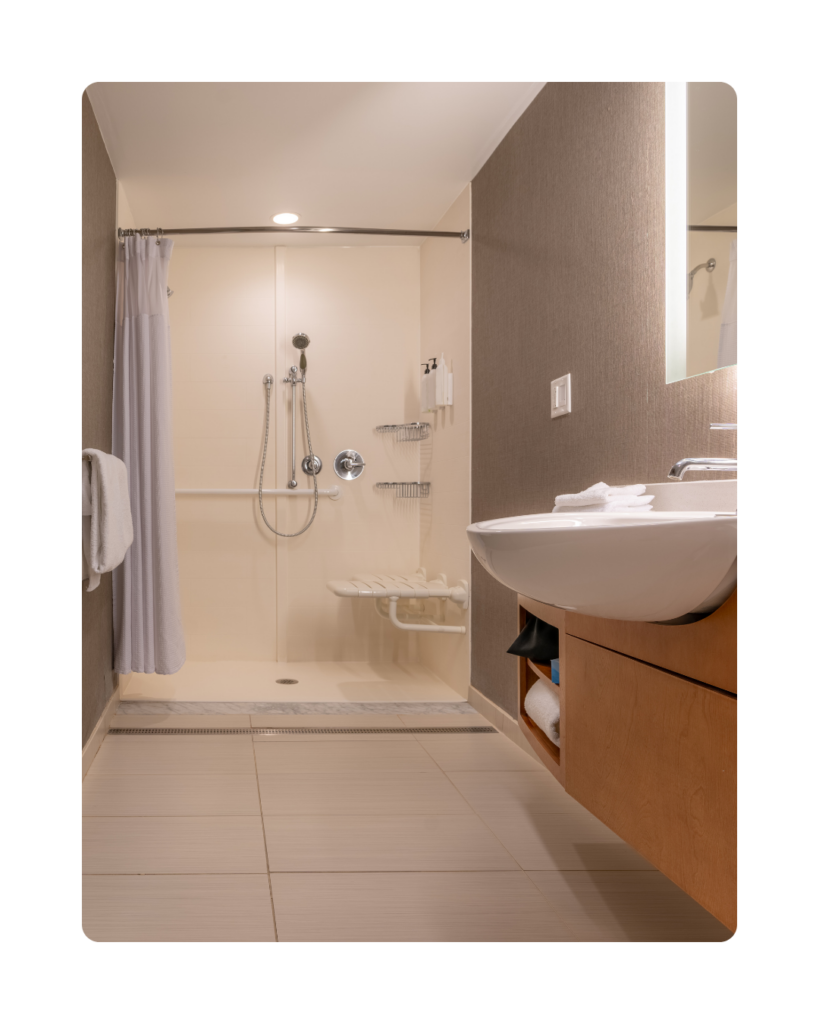
  • Bathroom layout and usability
  • Bed height and transfer suitability
  • Heating and temperature control
  • Quiet room options


Best base areas:

  • Hobart CBD: central, practical, close to services
  • Salamanca/Battery Point: character-filled, but check terrain and access
  • Sandy Bay: quieter, residential feel with good access to Hobart

Southern Tasmania Regions

Each cluster guide focuses on real-world usability—terrain, distances, and what actually works.

Bruny Island
(coming soon)
Port Arthur & Tasman Peninsula
(coming soon)
Huon Valley
(coming soon)
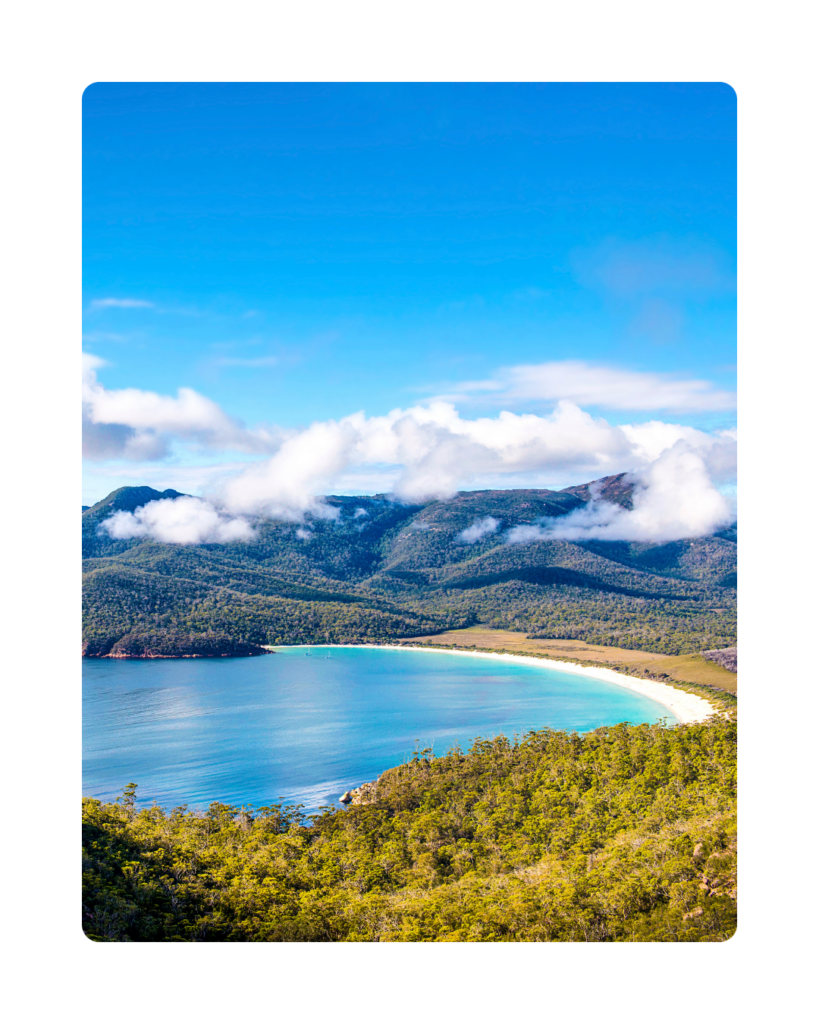
East Coast (Freycinet & Wineglass Bay)
(coming soon)

For Families, Carers, and Support Teams

If you’re travelling with a parent, child, partner, friend, or client with disability — you’re often carrying a lot. Our planning is designed to reduce that load.

We can help with:

  • Accessible room configurations and equipment considerations
  • Realistic pacing and rest breaks
  • Carer-friendly logistics (key access, shower setup, privacy, transfers)
  • Activities that include everyone – without anyone being “the reason we can’t”

For Operators

We love working with TAS operators who are committed to progress and clear communication – and we’re encouraged by industry efforts to build capability around accessible and inclusive tourism.

If you’re an operator wanting to be featured in our guides, we’ll ask for practical detail (not just labels) so travellers can make informed choices.

What to double-check before you go

✅ Accommodation access details (especially bathrooms)

✅ Gradients and walking distances at key sites

✅ Tour operator accessibility and pacing

✅ Weather conditions and clothing requirements

✅ Transport timing and backup options

Want Help Planning Hobart & Tasmania Itinerary?

Tell us:

  • What you’d like to experience (food, nature, culture)
  • Your access needs (mobility / sensory / cognitive / medical / fatigue)
  • Who you’re travelling with
  • Your preferred pace

…and we’ll design a Tasmania experience that feels calm, considered, and genuinely enjoyable.

Accessible Australia Campaign - TAS