

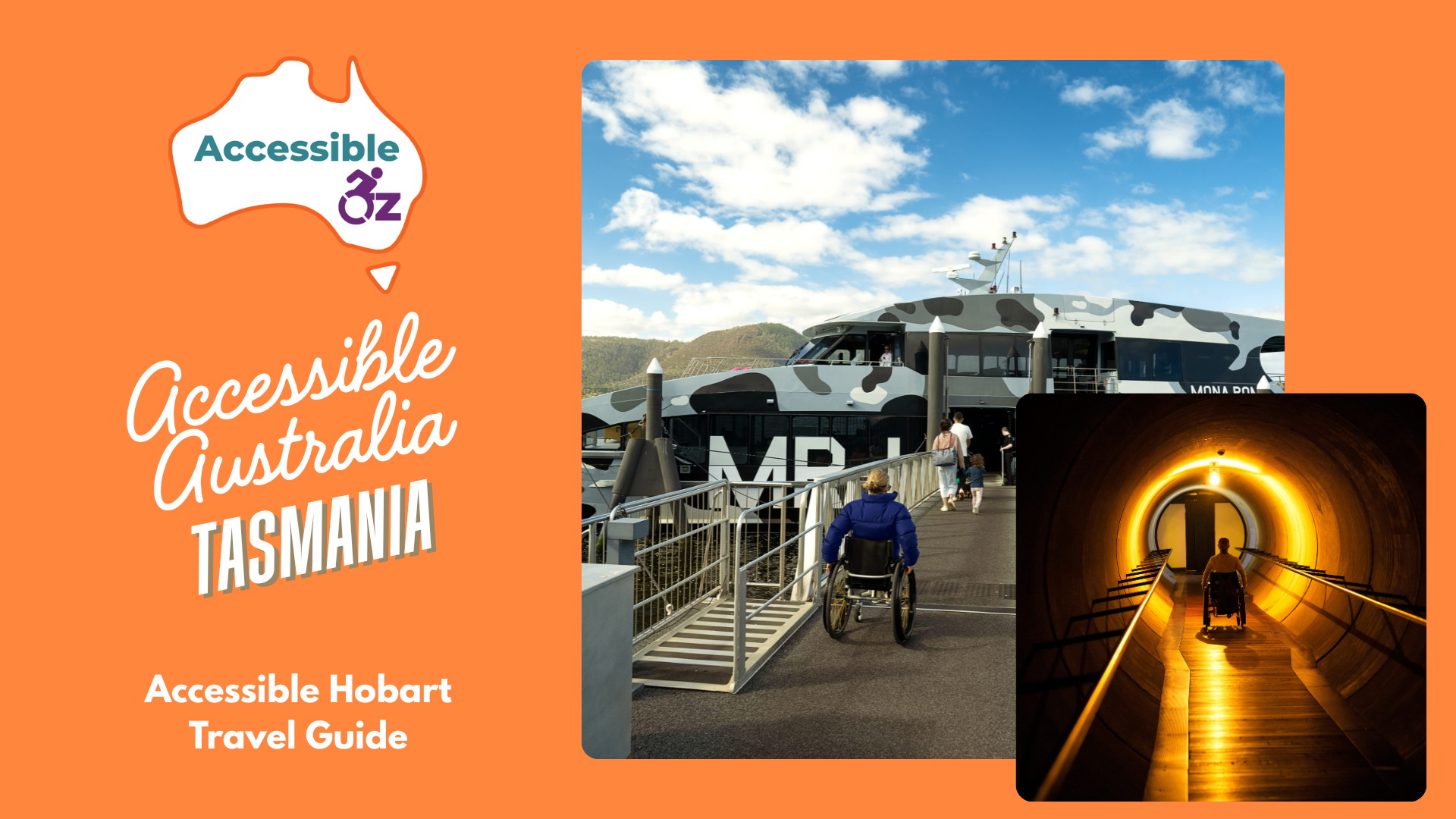
Hobart is one of Australia’s most rewarding destinations for an accessible holiday—offering culture, food and nature in a compact, slower-paced setting. It’s not perfectly flat or uniform, but with thoughtful planning around hills, surfaces and weather, it becomes a genuinely comfortable place to explore.
The city’s strength lies in its rhythm: short distances, high-quality experiences, and the ability to move at your own pace without pressure.
Hobart At-a-Glance
📍 Best for: food, culture, nature, slower-paced travel
🧭 Terrain: mixed—waterfront mostly manageable; hills in Battery Point, West Hobart and beyond
🚗 Getting around: walkable in parts; taxis/rideshare recommended for hills; tours for day trips
🚻 Accessible toilets: strong in CBD, waterfront and major attractions
🧠 Sensory load: low–medium; increases during markets and peak tourism periods
🏨 Good base areas: CBD • Salamanca • Sandy Bay (check gradients)
Top Accessible Experiences in Hobart
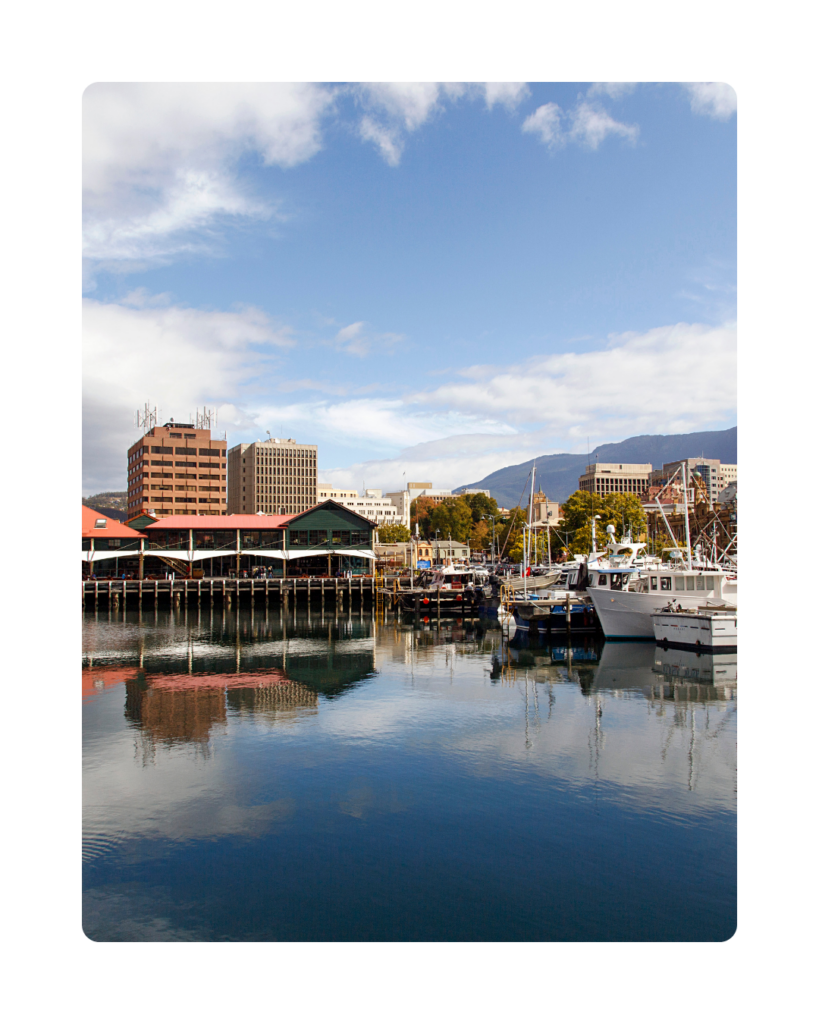
Waterfront + Salamanca “yes day”
- Why it works: compact, high-quality experiences with flexible pacing
- Access notes: mostly manageable terrain; some uneven surfaces in historic areas
Mostly level • Seating available • Accessible toilets nearby
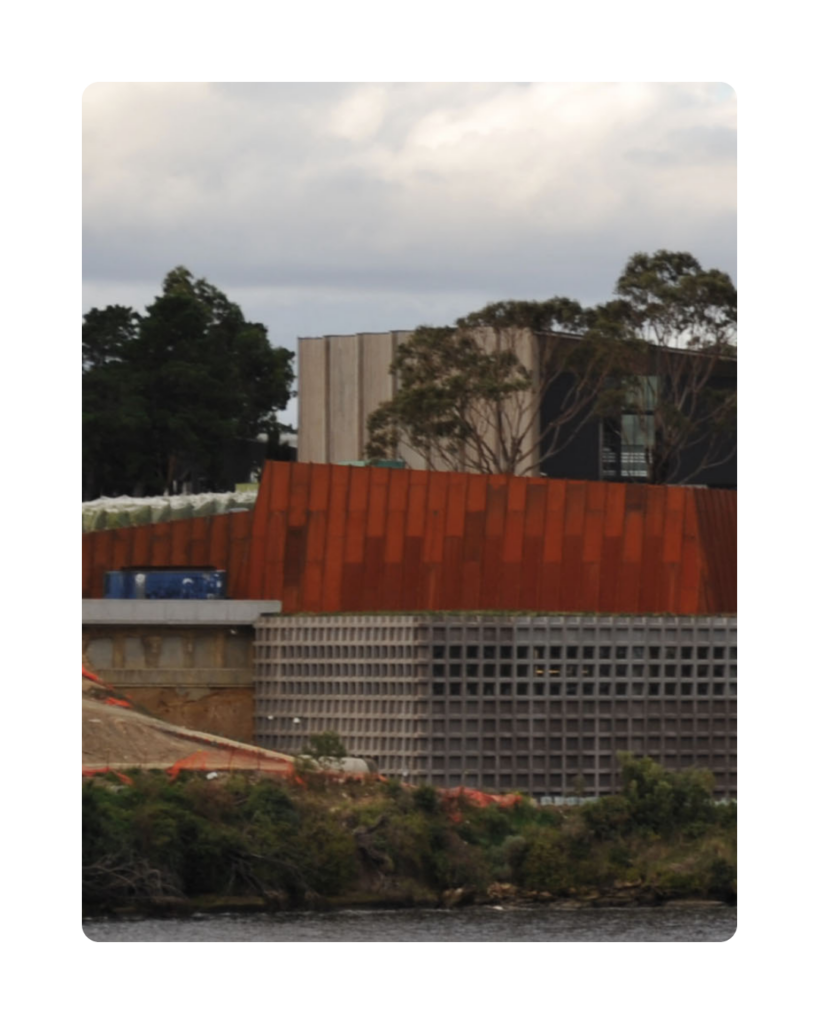
MONA (Museum of Old and New Art)
- Why it works: structured, immersive experience with clear visitor flow
- Access notes: ferry access available; internal movement is well-managed but can involve ramps/lifts
Step-free access • Lift access • Accessible toilets • Pre-book recommended
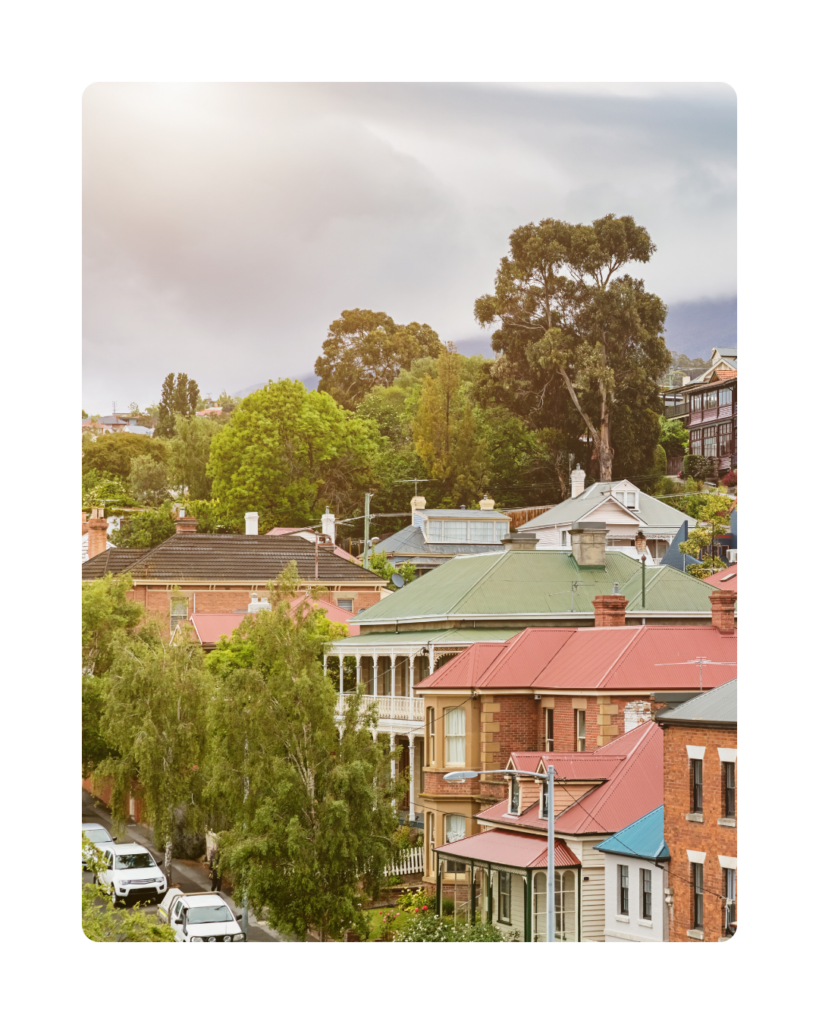
Food + wine day (city or nearby regions)
- Why it works: seated, slower-paced experiences built into the destination
- Access notes: confirm venue access and bathroom layout in advance
Seating available • Operator confirmation recommended • Low physical demand
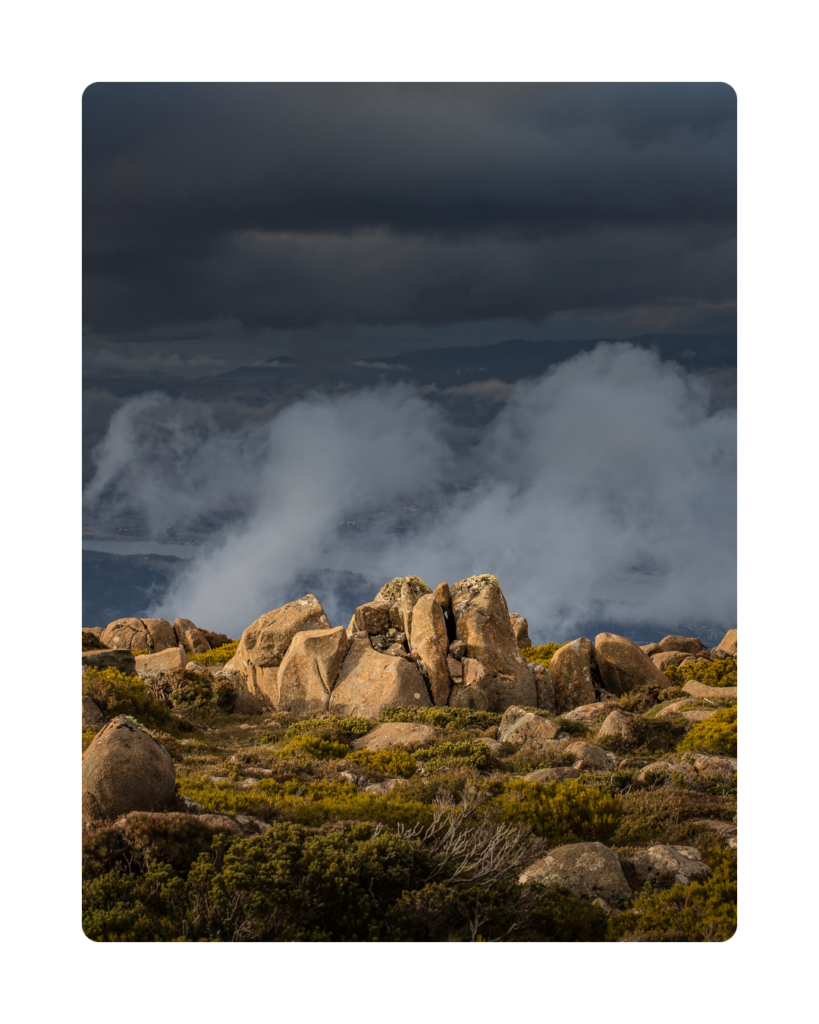
Kunanyi / Mount Wellington (weather window experience)
- Why it works: high reward with minimal walking if accessed by vehicle
- Access notes: exposure to wind/cold; limited shelter at summit
Accessible parking • Weather dependent • Short distances

Market / event day (Salamanca Market)
- Why it works: strong local atmosphere and produce
- Access notes: can be crowded—visit early for lower sensory load
Busy at peak • Mixed surfaces • Seating limited
Suggested Itineraries
2-Day Itinerary
Day 1: Waterfront + Salamanca + long lunch
Day 2: MONA or half-day regional experience
4-Day Itinerary
Day 1: Waterfront + cultural precinct
Day 2: MONA experience
Day 3: Bruny Island or Port Arthur (guided)
Day 4: Slow city day + Mount Wellington (weather permitting)
7-Day Itinerary
- Split into city + regional day experiences
- Alternate higher-energy days with low-demand/reset days
- Include at least one full rest day
Getting Around Hobart with access needs
Workable options:
- Walking (short distances): best in waterfront/CBD areas
- Taxis/rideshare: most reliable way to manage hills and conserve energy
- Guided tours: ideal for Bruny Island, Port Arthur and regional travel
- Car hire: useful, but consider winding roads and parking
Where to Stay in Hobart
“Accessible” varies—especially in heritage properties.
What to check:
- Step-free entry (many properties are on slopes)
- Bathroom layout (not all “accessible rooms” are equal)
- Internal lifts vs stairs
- Heating and insulation (important in cooler months)
- Quiet room options
Best areas:
- CBD: practical, central, easier movement
- Salamanca: close to attractions (check gradients)
- Sandy Bay: quieter, residential (transport helpful)
Related Guides

Bruny Island
(coming soon)

Port Arthur & Tasman Peninsula
(coming soon)
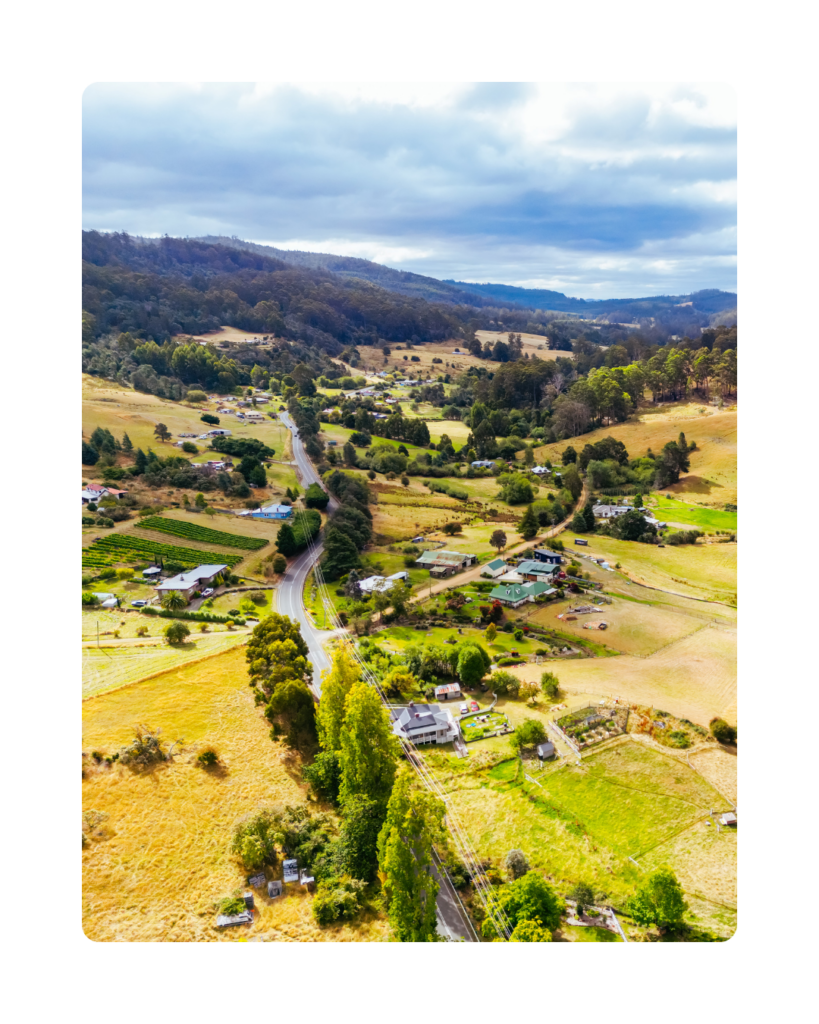
Huon Valley
(coming soon)

East Coast (Freycinet & Wineglass Bay)
(coming soon)
Access notes that make it work
Arrival & daily planning
- Choose one main precinct per day
- Start with a known step-free entry point
Paths, gradients & surfaces
- Waterfront areas are generally manageable
- Historic precincts may have uneven paving
- Hills are the main factor—plan routes carefully
Toilets & personal care
- Strong in CBD, MONA and major venues
- Check smaller venues and regional stops
Sensory considerations
- Generally low intensity
- Markets and peak weekends increase noise and crowd levels
- Early mornings offer the calmest experience
Weather impact
- Conditions can change quickly (wind, rain, cold)
- Always have an indoor backup option
FAQs for Accessible Hobart
Is Hobart wheelchair accessible?
Many key areas are workable, particularly the waterfront and major attractions. Hills and older buildings mean planning is important.
Do I need a car in Hobart?
Not necessarily. You can stay central and use taxis/tours. A car helps for flexibility but isn’t essential.
Is Hobart suitable for sensory-friendly travel?
Yes. It’s generally calmer than larger cities, with plenty of low-stimulation experiences.
Where do I find official access info?
Tasmanian tourism and local council resources provide general guidance, but confirming with individual operators is recommended.
Want Help Planning a Hobart Itinerary?
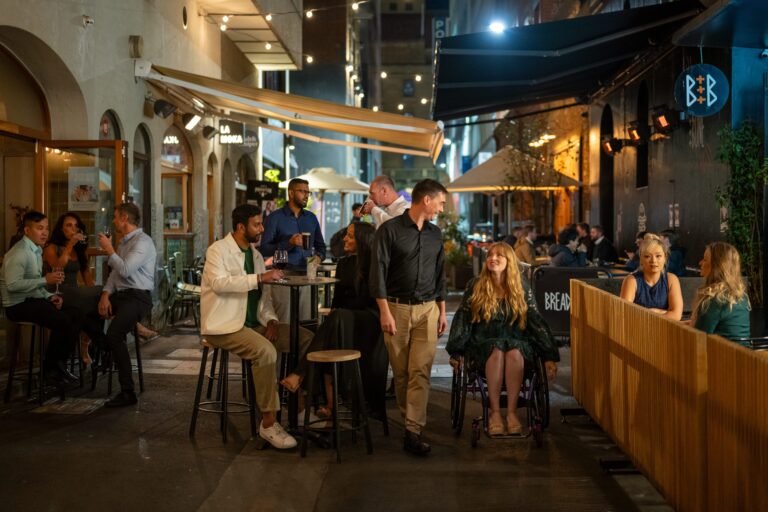
Tell us:
- What you’d like to focus on (food, nature, culture)
- Your access needs (mobility / sensory / cognitive / fatigue)
- Who you’re travelling with
- Your ideal pace
…and we’ll shape a Hobart experience that feels easy, considered and genuinely enjoyable.