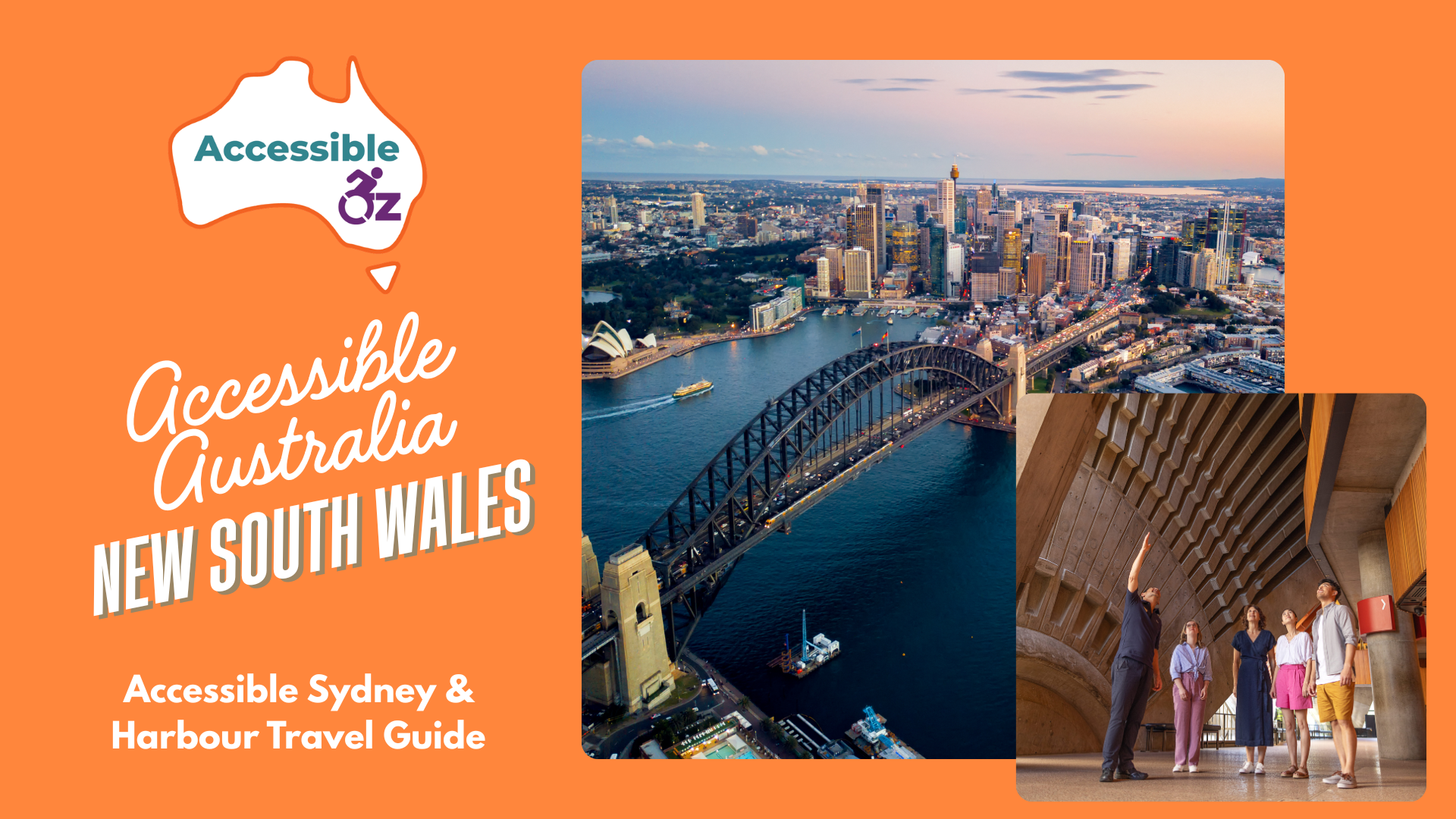
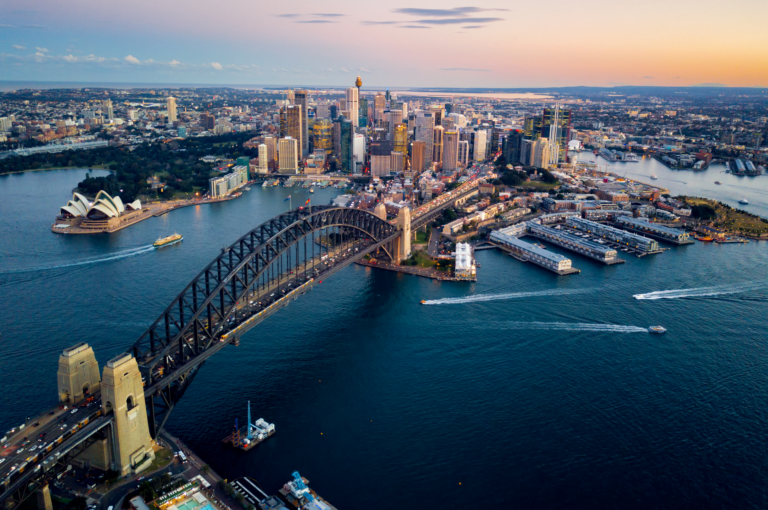
Sydney is one of those places that’s iconic for a reason – harbour views, world-class culture, beaches, neighbourhood energy. And yes: it can be a genuinely great accessible trip… when you plan around hills, crowds, and the “last 200 metres” between transport and the front door.
This guide is built to help travellers with disability and access needs explore Sydney with confidence, comfort, and dignity – without turning your holiday into a logistics marathon.
Sydney & Harbour At-a-Glance
📍 Best for: harbour sights, museums & galleries, shows, city dining, bucket-list days
🧭 Terrain: mixed (flat foreshore routes exist, but hills pop up fast)
🚗 Getting around: public transport + taxis/rideshare, with pre-planned routes for step-free access
🚻 Accessible toilets: strong around major precincts + helpful maps/tools available
🧠 Sensory load: high in peak areas; often calmer early mornings + midweek
🏨 Good base areas: CBD / Circular Quay–The Rocks (busy) • Darling Harbour–Barangaroo (modern, flatter) • Surry Hills–Paddington edges (mixed terrain)
Top Accessible Experiences in Sydney & Harbour Bay
These are experience types we shortlist often – then we choose the specific option that matches your needs (mobility, toilets, sensory load, fatigue/heat tolerance).
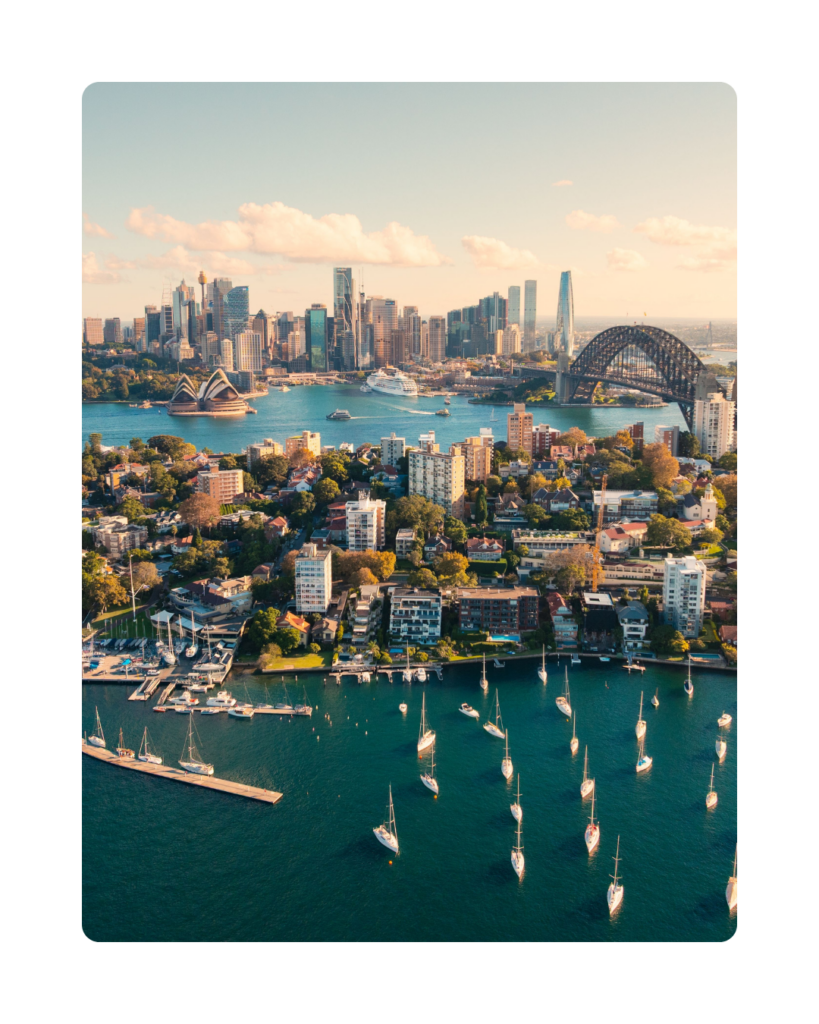
Harbour foreshore “wow day”
- Why it’s great: big views with flexible stop-start pacing
- Access notes: stick to foreshore routes; pre-check gradients and lift locations in older precincts
Step-free access • Seating available • Accessible toilet nearby • Busy at peak times
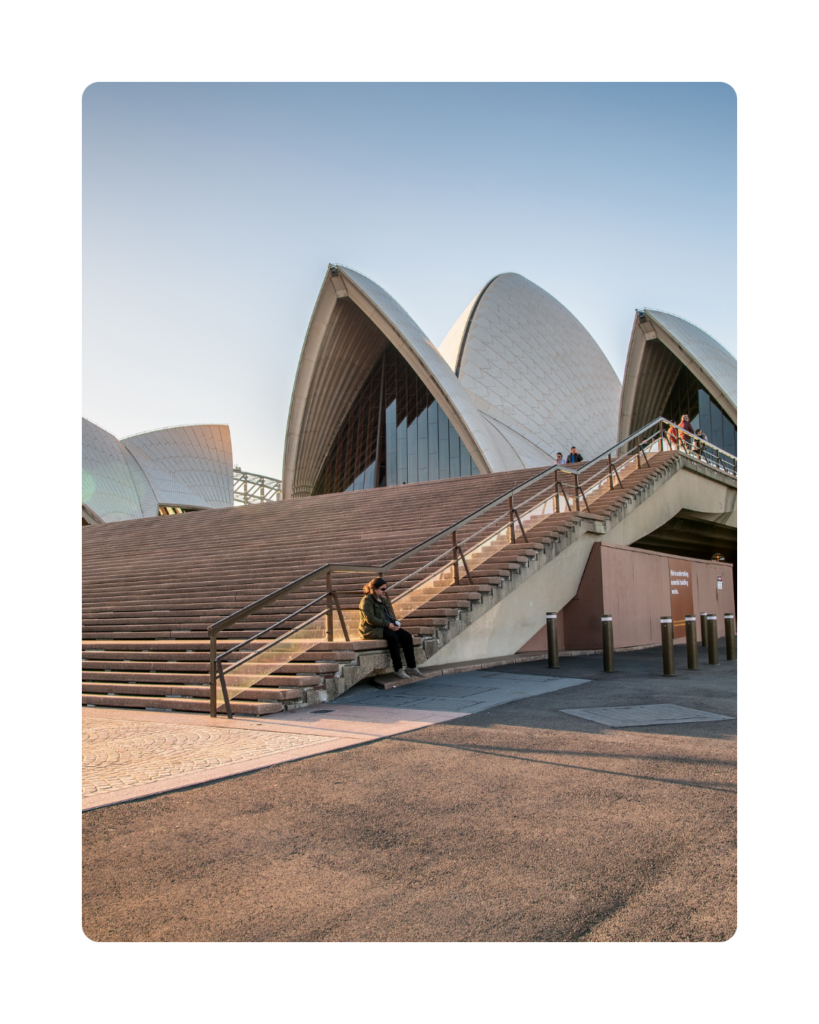
Cultural “yes day” (galleries, museums, performances)
- Why it’s great: predictable access, indoor comfort, controlled pacing
- Access notes: book accessible seating early for performances; confirm lift routes if the building is older
Sydney’s official visitor hub highlights accessible attractions and planning info.
Step-free access • Lift access • Accessible toilet on-site • Quiet option (timing)
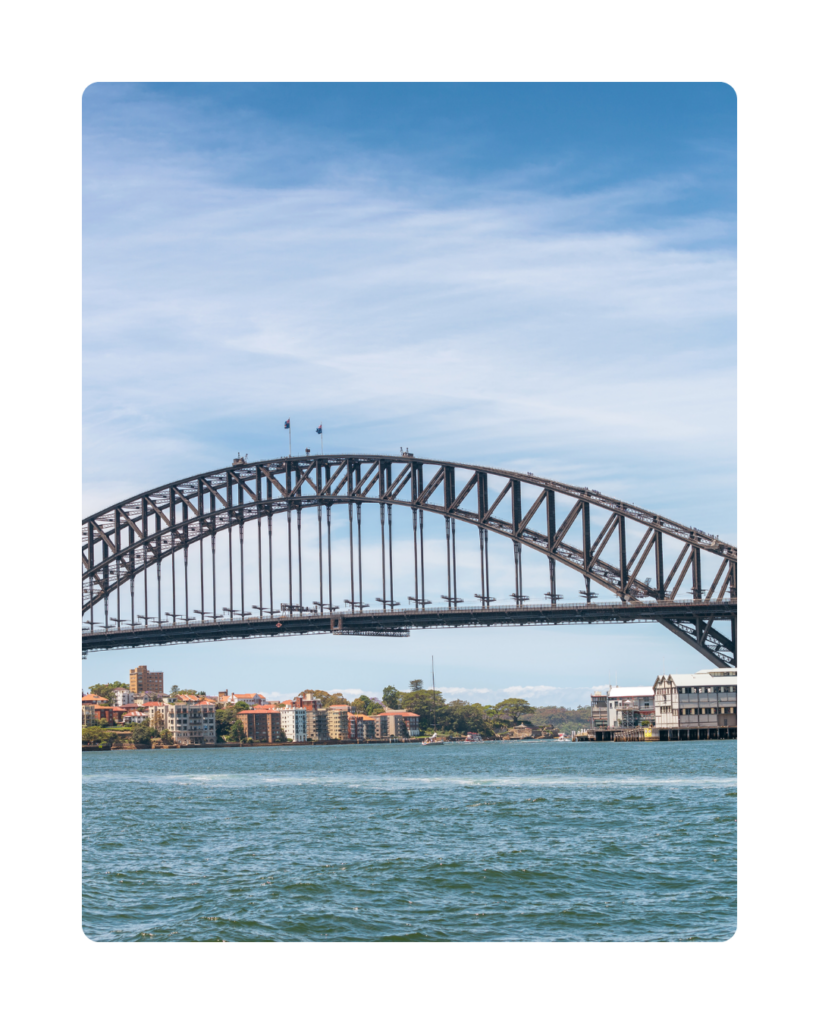
Harbour cruise (only with the right operator + vessel)
- Why it’s great: Sydney’s best views without constant walking
- Access notes: confirm boarding method and accessible toilet access onboard before you book (this varies by vessel and route)
Pre-book required • Operator confirmation needed • Weather dependent
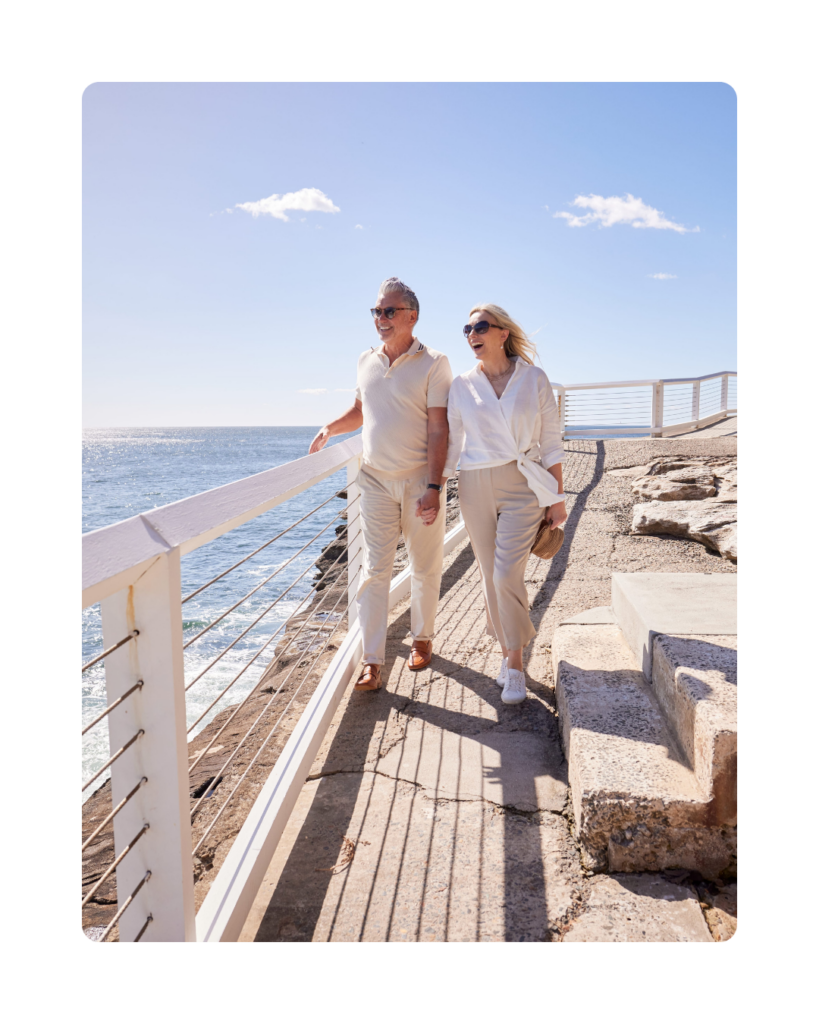
“Bucket list” beach boardwalk/promenade day
- Why it’s great: seaside atmosphere with flatter viewing routes in some locations
- Access notes: choose promenades/parks with level access and known toilets; plan timing to reduce crowds
Sydney.com includes accessible “bucket-list” attraction notes (including access and toilet info for places like Bondi).
Mostly level terrain • Accessible toilet nearby • Busy at peak times • Seating available
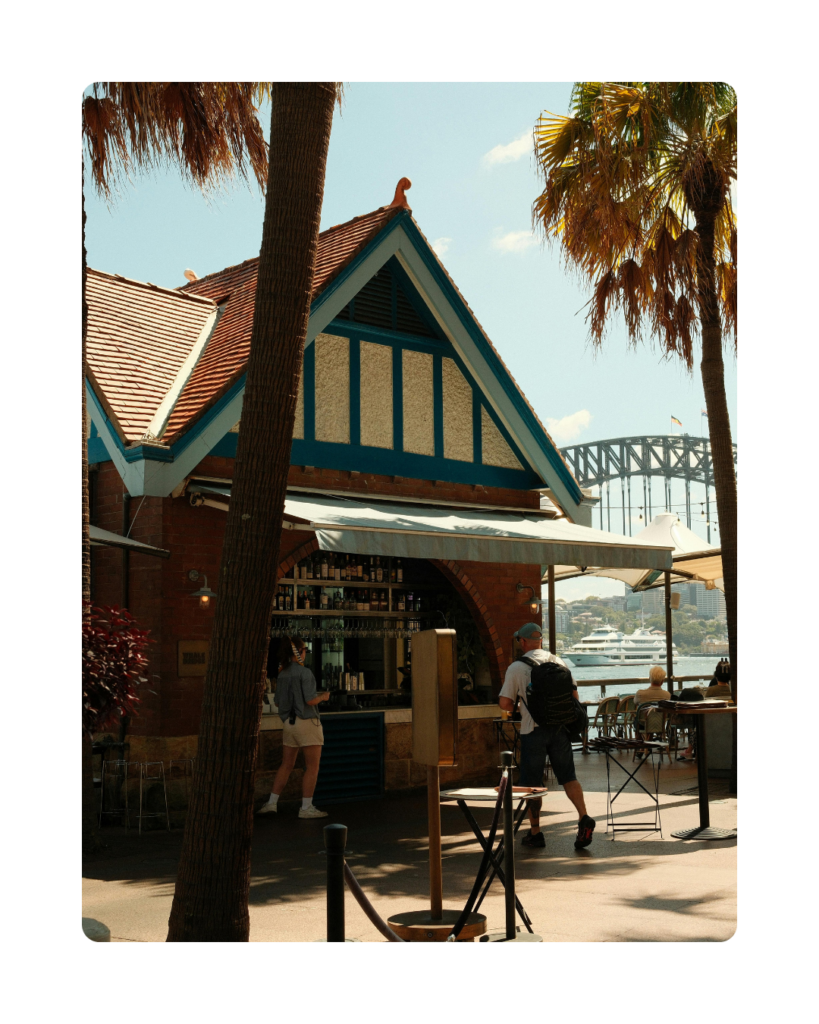
Neighbourhood food + wandering (low-pressure version)
- Why it’s great: travel like a local at your pace
- Access notes: pick precinct loops with frequent seating and reliable toilets; avoid “one-way uphill” routes
Seating available • Accessible toilet nearby • Mixed terrain • Quiet option (timing)
Suggested Itineraries
These itineraries build in breathing room on purpose. Accessible travel is better when your day has margin.
2-Day Itinerary
Day 1: Harbour + Culture (classic Sydney, low-stress)
- Morning: foreshore wander + “big view” stops
- Lunch: accessible dining in a central precinct
- Afternoon: major gallery/museum (cool, predictable)
- Evening: early dinner + rest window (or a short sunset lookout)
Day 2: Choose-your-own Sydney
- Morning: quieter boardwalk/promenade or precinct loop (before crowds)
- Lunch: easy-access venue with nearby toilets
- Afternoon: cruise or a second cultural venue (depending on energy)
- Reset: return to accommodation before evening plans
4-Day Itinerary
- Day 1: Harbour foreshore + culture block
- Day 2: Neighbourhood loop + low-sensory planning
- Day 3: Cruise day (only if access confirmed) + recovery time
- Day 4: Beach promenade / “Sydney postcard” day (early start)
7-Day Itinerary
- Split into “precinct days” so you’re not crossing the city constantly
- Add one full low-demand reset day (pool, quiet café loop, indoor culture)
- Optional easy day trip only if it reduces stress, not adds it
Getting Around Sydney & Harbour
Sydney is workable – the difference is route planning.
Transport for NSW provides an Accessible Travel hub and planning guidance across modes (train, ferry, bus, light rail), including travelling with mobility aids and assistance animals.
Sydney.com also publishes accessible “getting around” guidance and links to accessible toilets info.
Workable options
- Public transport (planned): great when you choose step-free routes and allow time buffers
- Taxis/rideshare: simplest door-to-door control (confirm vehicle suitability if needed)
- Accessible transfers / WAVs: best for airport days, group touring, or “no surprises” schedules
- Ferries: can be brilliant, but check wharf access/boarding per route (especially with mobility aids)
Planning tips
- Use live travel info + allow buffers (lifts, platform changes, crowd flow)
- Pick one precinct per day (less cross-city fatigue)
- Confirm pickup points are genuinely step-free and safe to wait
Where to Stay in Brisbane & Moreton Bay
Accommodation is where “accessible” labels can disappoint. We plan around what you actually need, not what a listing says.
What we look for
- Step-free route from entry/parking to room
- Door widths and turning space (especially in bathrooms)
- Shower type (roll-in vs step-in) and grab rail placement
- Bed height / transfer setup
- Space for mobility equipment
- Quiet room options (away from lifts/nightlife) and lighting control
Areas to consider
- CBD / South Brisbane: easiest for attractions and dining; higher sensory load in peak times
- Newstead / Teneriffe: great for riverside wandering and cafes; check terrain/older surfaces
- Redcliffe (Moreton Bay): relaxed foreshore vibe; good for slower travel pace
Related Guides
Blue Mountains
(coming soon)
Central Coast
(coming soon)

Hunter Valley & Newcastle
(coming soon)
North Coast (Byron Bay/Ballina/Coffs Harbour)
(coming soon)
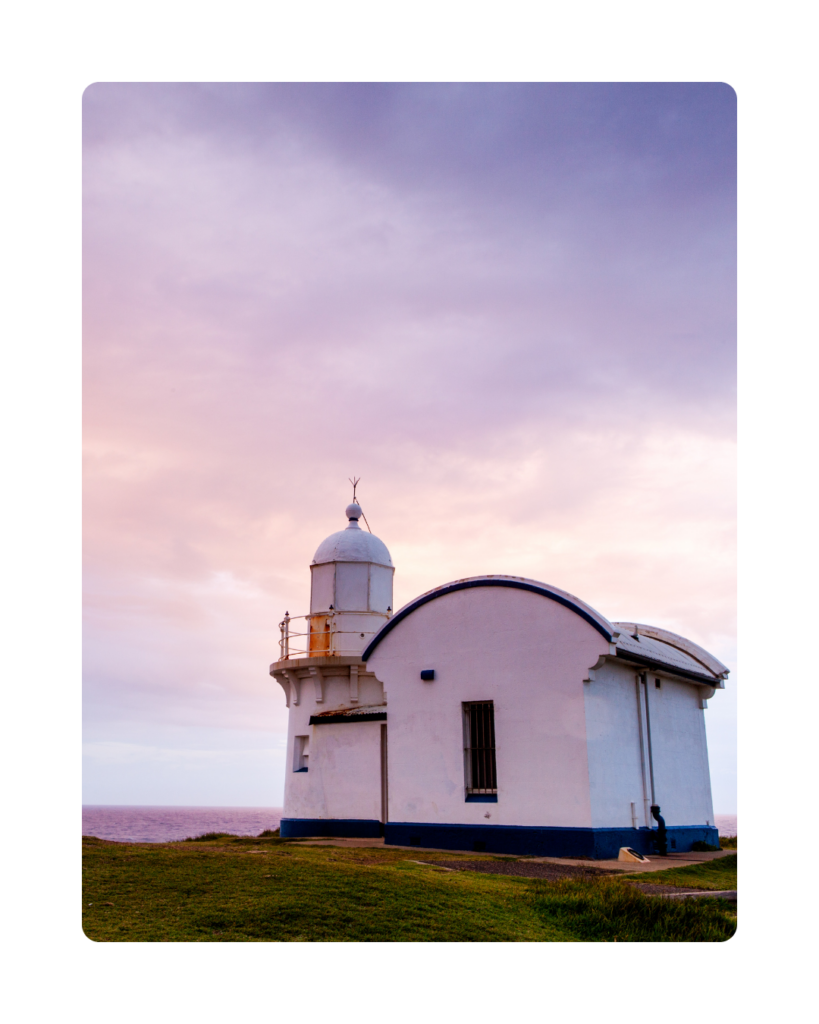
Mid North Coast (Port Macquarie & surrounds)
(coming soon)
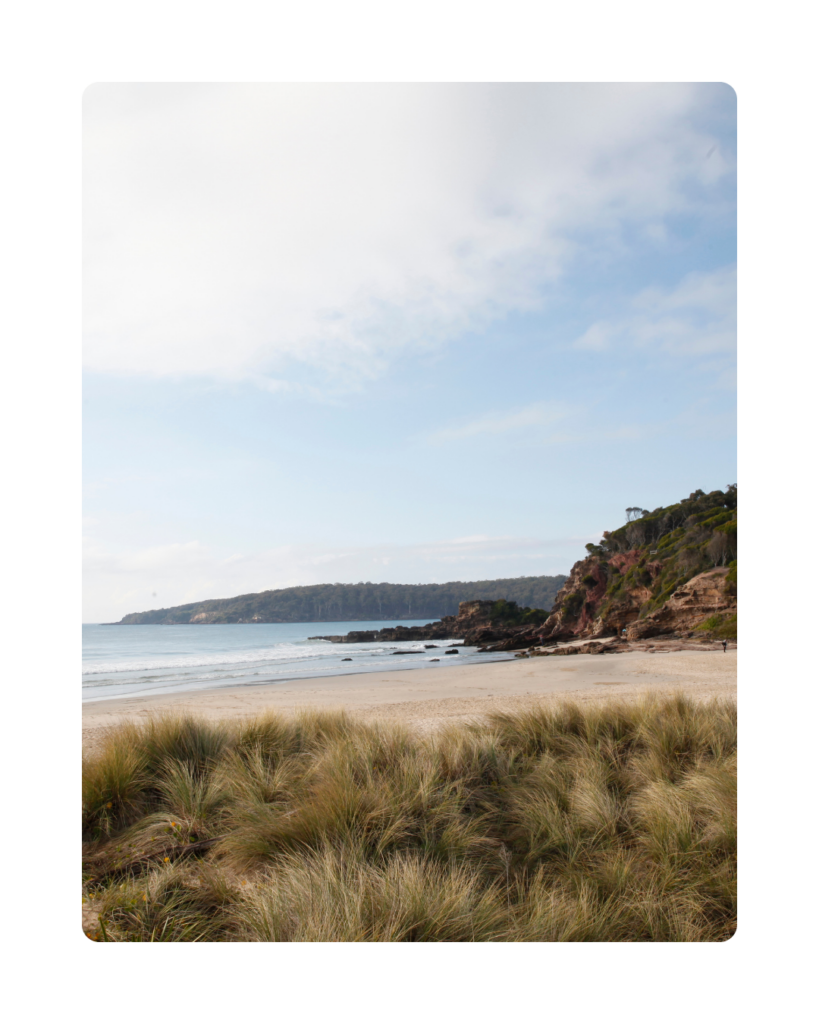
South Coast (Kiama to Merimbula)
(coming soon)

Snowy Mountains
(coming soon)
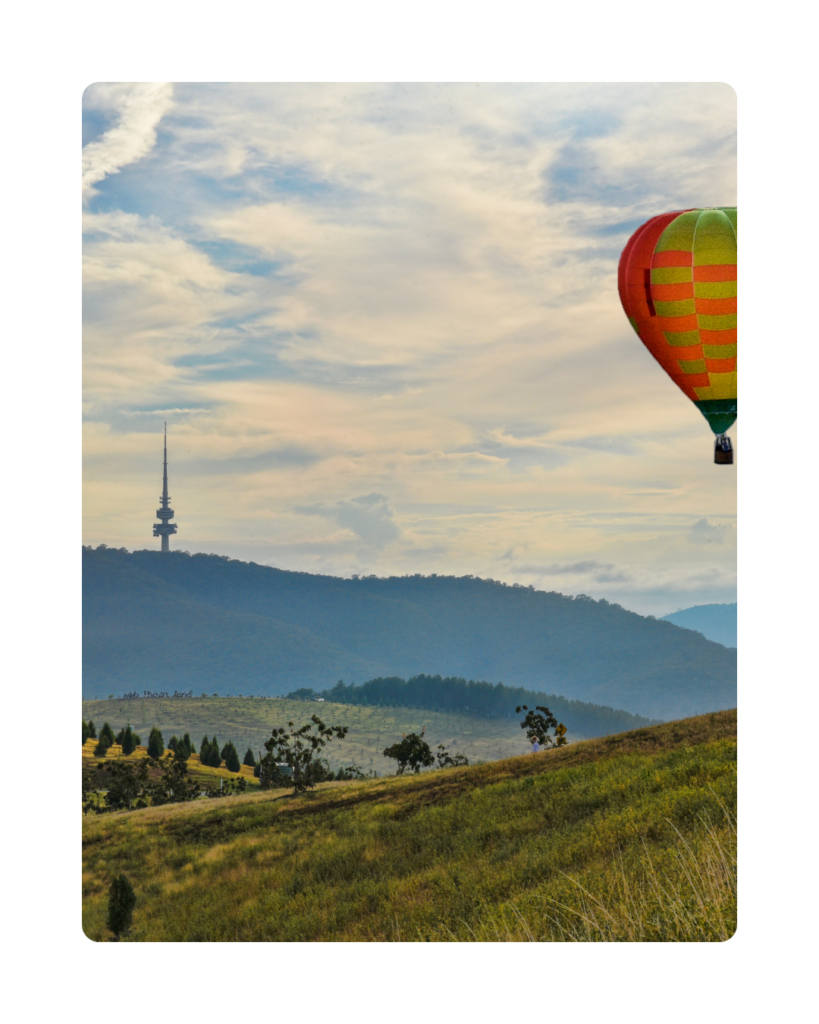
Canberra Region/Southern Highlands
(coming soon)
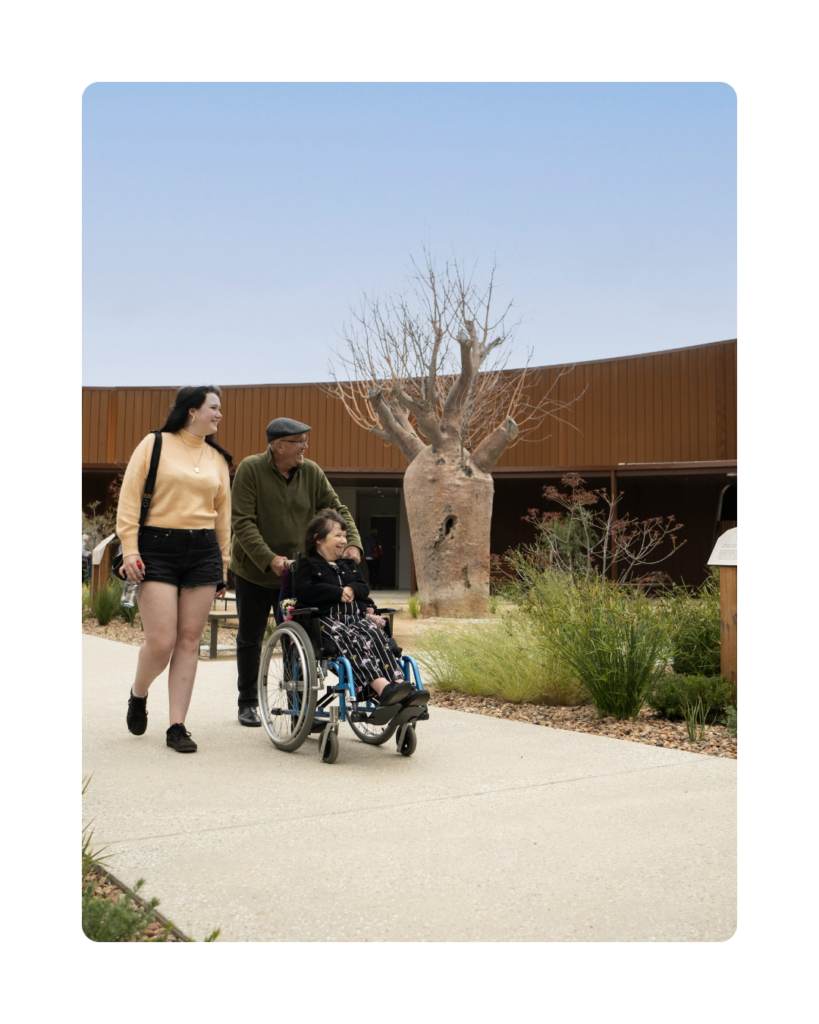
Riverina & Murray
(coming soon)

Outback NSW (Broken Hill & Far West)
(coming soon)
Access notes that make it work
This is the truth-telling section – the small details that decide whether a day feels easy or exhausting.
Arrival & parking
- Choose a single “anchor” arrival point (e.g., Circular Quay or Darling Harbour) rather than hopping constantly
- Plan drop-offs where there’s level entry and seating nearby
Paths, gradients & surfaces
- Sydney has beautiful foreshore routes, but also surprise hills
- City of Sydney publishes an accessibility map highlighting barriers (stairs/steep hills) and features like lifts, toilets and taxi ranks.
Toilets & personal care
- Toilets are generally strong around major precincts, but spacing matters once you leave them
- Sydney.com specifically points visitors to accessible toilet information.
Sensory considerations
- Busy precincts can be intense – plan key attractions for mornings and weekdays
- Build in a daily “quiet reset” option: museum/gallery, calm café, short foreshore loop
Communication & staff support
- For shows/ticketed venues: ask for accessible seating and entry routes at booking
- For cruises/tours: ask directly about boarding, toilet access, and whether mobility aids can move freely onboard
What to double-check before you go
- Accommodation bathroom layout (photos + measurements if possible)
- Lift routes in older buildings
- Cruise vessel accessibility (boarding + toilets)
- Weather plan (heat/wind can change comfort fast along the harbour)
FAQs for Accessible Sydney & Harbour
Is Sydney wheelchair accessible?
Many parts are very workable – especially major attractions and modern precincts – but Sydney also has hills and older surfaces. Planning your routes (and rest points) makes the difference.
Are there accessible toilets near the harbour and CBD?
Yes – and there are official tools and guides to help you locate them, including City of Sydney’s accessibility map and Sydney’s accessibility hub.
Can I do a harbour cruise with access needs?
Often yes, but it depends on the specific vessel. Confirm boarding method, on-board circulation, and accessible toilet access before booking. (Don’t accept “accessible” as the whole answer.)
Is Sydney suitable for sensory-friendly travel?
Yes, with timing and precinct choice. Early mornings, weekdays, and indoor cultural venues can be much lower sensory than peak harbour zones.
Can I travel with an assistance animal?
Generally, yes, but policies vary between venues and operators. Transport for NSW includes accessible travel guidance for passengers with assistance animals.
Do I need a car in Sydney?
Often no – if you stay central and plan transport. A dedicated vehicle can help if you’re balancing multiple suburbs daily or need predictable door-to-door access
What’s the best time to visit?
Shoulder seasons and weekdays can be easier for crowds. If fatigue/heat are factors, plan shade and indoor breaks any time of year.
Want Help Planning a Sydney Itinerary?
Tell us:
- Where you’re thinking (Brisbane only? adding Redcliffe? island day trip?)
- Your access needs (mobility / sensory / cognitive / medical / fatigue)
- Who you’re travelling with (solo, family, carer, group)
- Your must-do and absolutely-not
…and we’ll shape a Brisbane + Moreton Bay trip that feels like a holiday again.
Accessibility features we can help verify
If you’d like, we can confirm the specifics websites often don’t show – bathroom layouts, true step-free routes, gradients, pickup points, and realistic timing – so your Sydney trip feels predictable and calm.