Adelaide is one of Australia’s easiest cities to navigate for an accessible holiday. Its compact layout, wide streets and surrounding parklands create a calmer, more manageable travel experience—while world-class wine regions sit within an hour of the city.
It’s not perfect, but with a bit of planning around transport, terrain and venue access, Adelaide offers a genuinely flexible and enjoyable destination.
Adelaide At-a-Glance
📍 Best for: wine regions, food, festivals, relaxed city pace
🧭 Terrain: mostly flat in CBD; some gradients in hills regions
🚗 Getting around: trams, buses, taxis/rideshare; tours for wine regions
🚻 Accessible toilets: strong in CBD, major venues and wineries (check ahead for regional stops)
🧠 Sensory load: low–medium; can increase during festivals/events
🏨 Good base areas: CBD • North Terrace • Glenelg (coastal, flatter)
Top Accessible Experiences in Adelaide
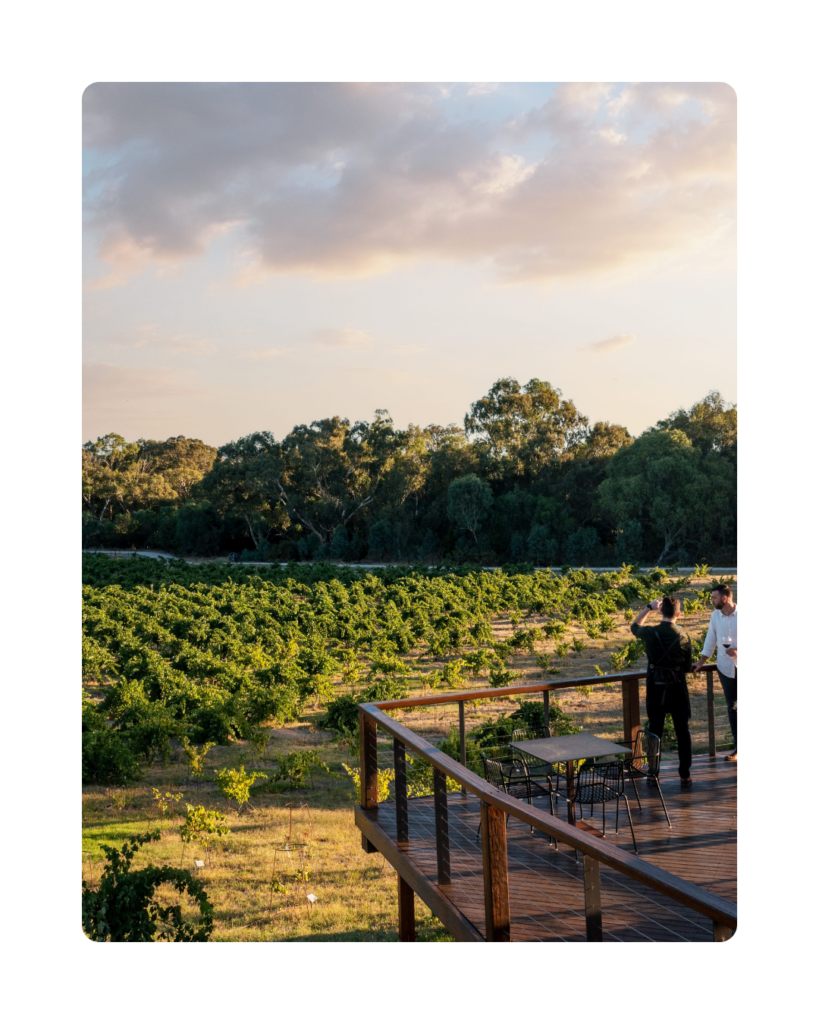
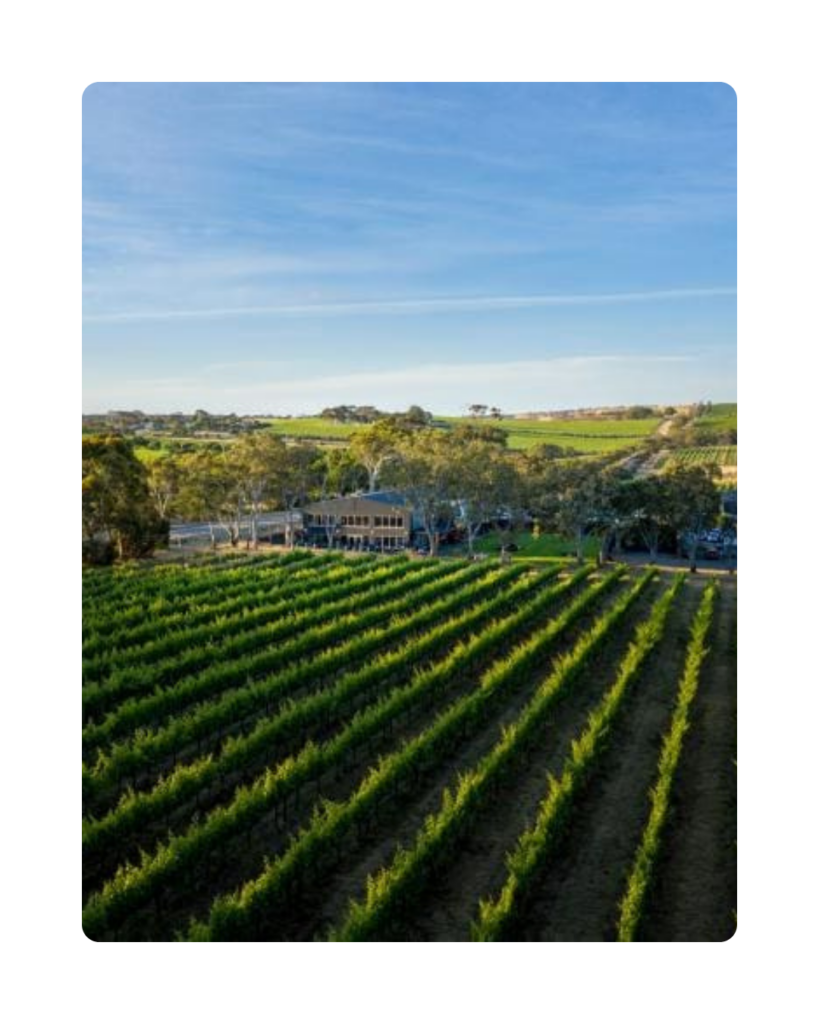
Wine region “yes day” (Barossa or McLaren Vale)
Why it works: predictable access, indoor comfort, short distances between venues
Access notes: modern institutions are generally accessible; confirm lift routes where needed
Step-free (varies) • Seating available • Operator confirmation recommended
Central Market + food precinct day
Why it works: simple tram access from the CBD + open, relaxed environment
Access notes: check beach access points and pathways
Mostly level • Seating nearby • Busy at peak times
North Terrace cultural strip
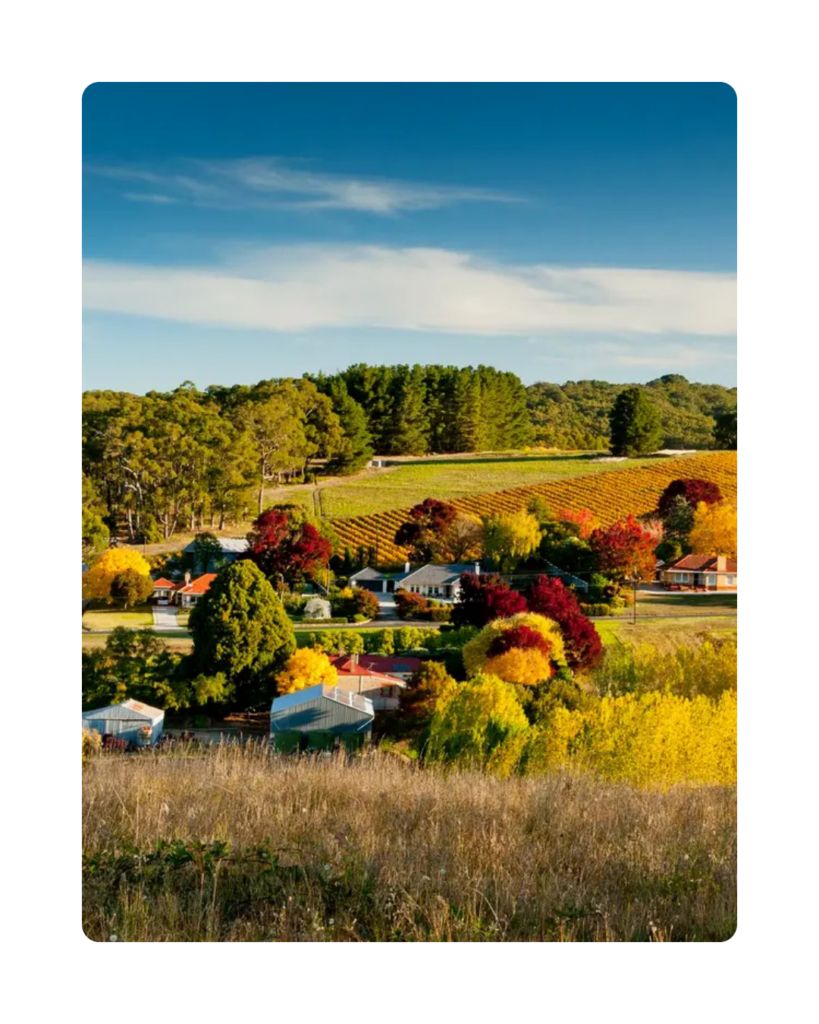
Why it works: cooler climate, views and small-town pacing
Access notes: terrain varies; plan stops with known access and facilities
Choose one “anchor area” per day to reduce travel fatigue
Plan your first stop with a known accessible entry
Paths, gradients & surfaces
CBD is flat and grid-based
Hills and regional areas vary—expect slopes and uneven surfaces
Toilets & facilities
Reliable in CBD, attractions and major wineries
Always confirm for smaller venues or rural stops
Sensory considerations
Adelaide is generally lower intensity than Sydney/Melbourne
Festivals (Fringe, WOMADelaide) increase noise, crowds and movement
Early mornings and weekdays offer calmer conditions
FAQs for Accessible Adelaide
Is Adelaide wheelchair accessible?
Many parts of the city are highly workable, particularly the CBD and major attractions. Accessibility in regional areas varies, so planning ahead is key.
Do I need a car in Adelaide?
Not if you stay central. For wine regions, guided tours or private transfers are usually easier and more reliable.
Is Adelaide suitable for sensory-friendly travel?
Yes. It’s generally calmer than other major cities, especially outside peak festival periods.
Where do I find official access info?
South Australian tourism and transport websites provide general guidance, but operator-level confirmation is still important.
Want Help Planning a Adelaide Itinerary?
Tell us:
Where you’d like to focus (wine, food, coast, culture)
Your access needs (mobility / sensory / fatigue / medical)
Who you’re travelling with
Your must-do and must-avoid
…and we’ll shape an Adelaide experience that feels considered, comfortable and genuinely enjoyable.