
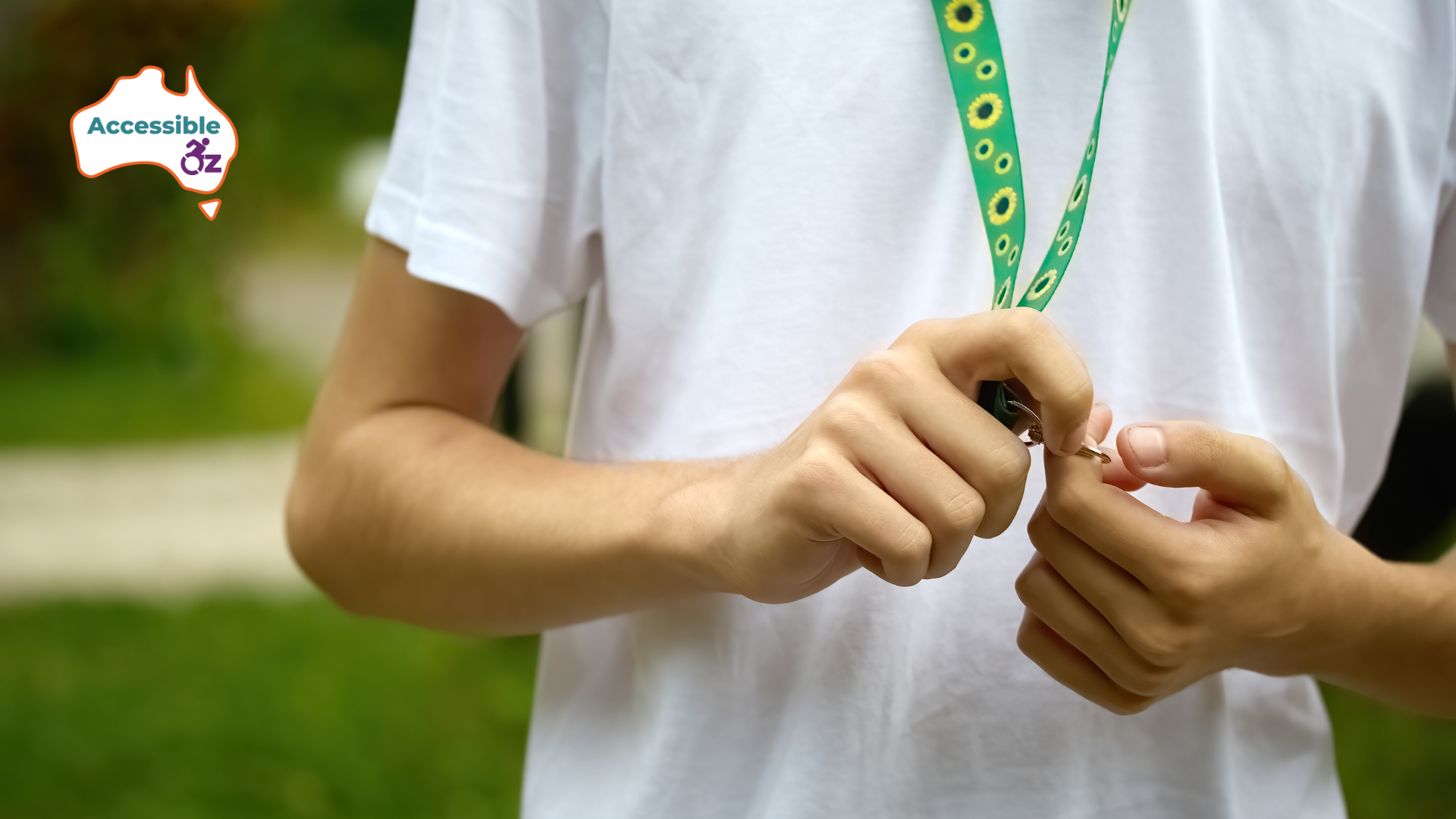
If you’ve ever seen a green lanyard covered in bright yellow sunflowers, you’ve spotted a quiet but powerful message: “I may need a little extra support.”
For many Australians, the most significant barrier to accessibility isn’t a physical one, it’s the fact that their disability is “invisible.” Whether living with autism, chronic pain, PTSD, or a neurological condition, these challenges aren’t always apparent to the person standing next to you.
To bridge this gap, the Hidden Disabilities Sunflower serves as a globally recognised symbol that individuals can choose to wear to discreetly indicate they live with a non-visible condition. By wearing the Sunflower, they signal to those around them that they may simply need a little more understanding, patience, clearer directions, or extra time to navigate public spaces with confidence.
What is a “hidden disability”?
Not all disabilities are visible. Many people live with conditions that can’t be immediately seen, like autism, ADHD, anxiety, chronic pain, sensory processing differences, diabetes, hearing loss, brain injury, and more. The Sunflower is a simple tool to help someone voluntarily communicate their needs without having to explain personal medical details.

At AccessibleOZ, we believe accessibility is about more than just ramps and braille; it’s about fosterng a culture of empathy and patience. The Sunflower is a tool that helps bridge the gap between those who need support and those who can provide it.
What Does it Mean When Someone Wears the Sunflower?
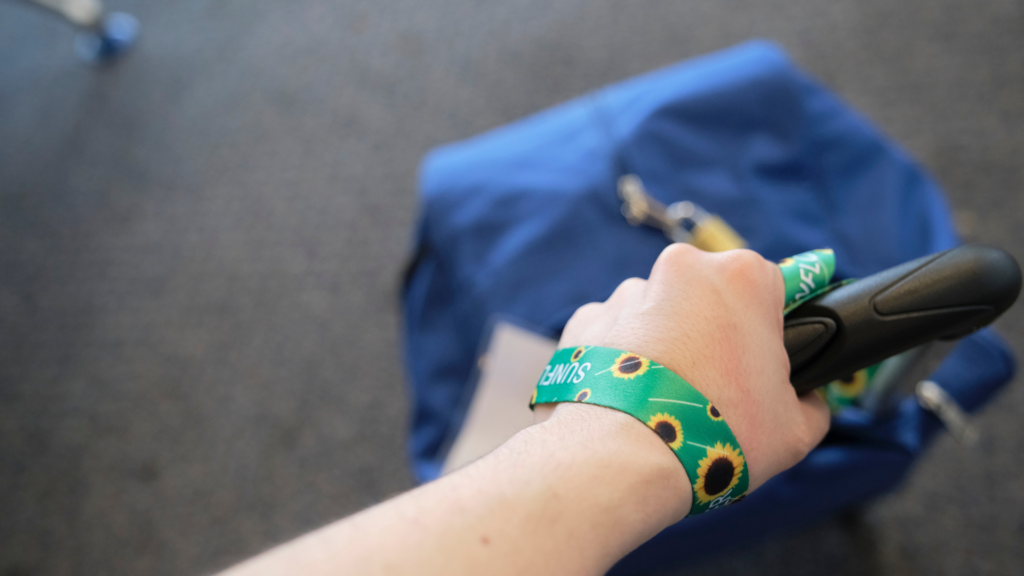
If you see someone wearing the Sunflower lanyard, pin, or wristband, it is a simple, silent sign that they may need:
- A little more time (to process information, pay at a checkout, or board transport).
- Clearer communication (speaking face-to-face or using simpler language).
- A helping hand (assistance finding an item or navigating a space).
- Understanding (they may be experiencing sensory overload or physical discomfort).
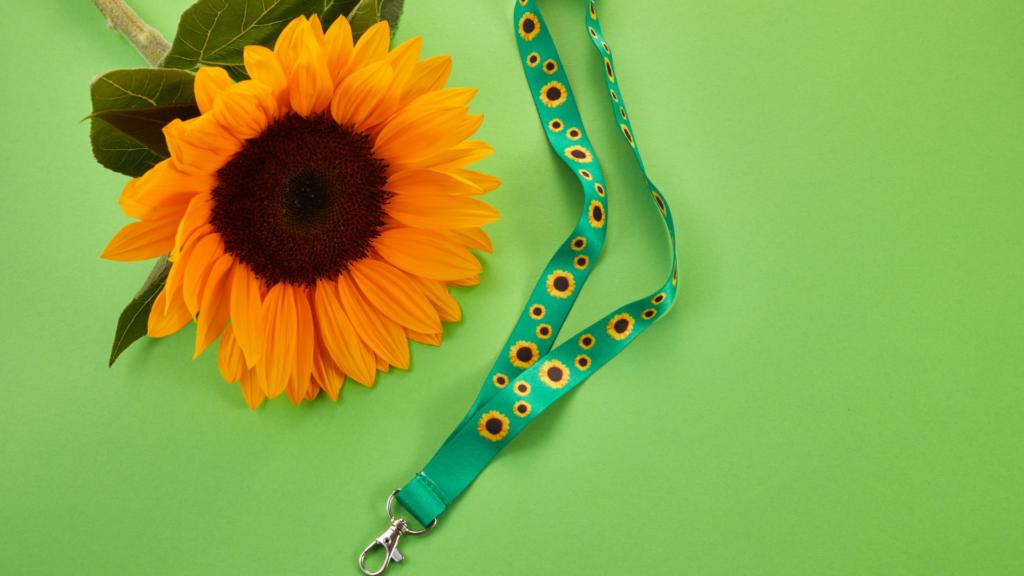
It is important to remember that the Sunflower is not a pass to skip queues or demand special treatment—it is an invitation for kindness and a signal that “I might need a bit of extra support today.”
Why the Sunflower matters (especially in busy places)
Crowds. Noise. Bright lighting. Tight timelines. Unfamiliar processes.
Airports, stadiums, and major venues can be overwhelming even on a good day, and for someone with a hidden disability, they can be genuinely difficult to navigate.
The Sunflower helps in a very human way: it prompts others to pause, soften their approach, and offer support without judgement.
The Sunflower in Australia
The program has grown rapidly across Australia. You will now see the Sunflower recognised in major Australian hubs, including:
- Major Airports: Most Australian international and domestic airports (like Sydney, Melbourne, Adelaide, and Perth) have Sunflower programs to help travelers navigate security and boarding.
- Public Transport: Increasing numbers of transport networks are training staff to recognise the symbol.
- Retailers & Supermarkets: Major stores like Coles and Kmart have joined the movement, ensuring their staff are “Sunflower-trained.”
- Local Communities: Through partners like Bayley House (the official Australian partner for the scheme), more local councils and businesses are becoming Sunflower-friendly.
Great Examples set by Brisbane with this program:
Brisbane Airport
Brisbane Airport participates in the Hidden Disabilities Program, and their staff are trained to recognise the Sunflower lanyard and offer practical support, like slowing things down, keeping things calm, providing reassurance, and being as accommodating as possible when someone feels overwhelmed.
A couple of important expectations to set:
- The Sunflower doesn’t mean fast track through security or passport control, but travellers can use the assistance lane at security screening and may be directed to the shortest available lane (where possible).
- It doesn’t automatically provide a personal escort through the airport — if you need that level of support or wheelchair assistance, Brisbane Airport recommends contacting your airline.
Where to collect a Sunflower lanyard at Brisbane Airport
Brisbane Airport shares specific pick-up locations and hours:
- Domestic Terminal — Visitor Information Centre (Level 1, opposite Trader & Co Café)
7am–7pm Monday–Friday and 10am–4pm Saturday–Sunday - International Terminal — Visitor Information Centre (Level 2, middle of the arrivals hall)
5:30am–midnight daily
Suncorp Stadium
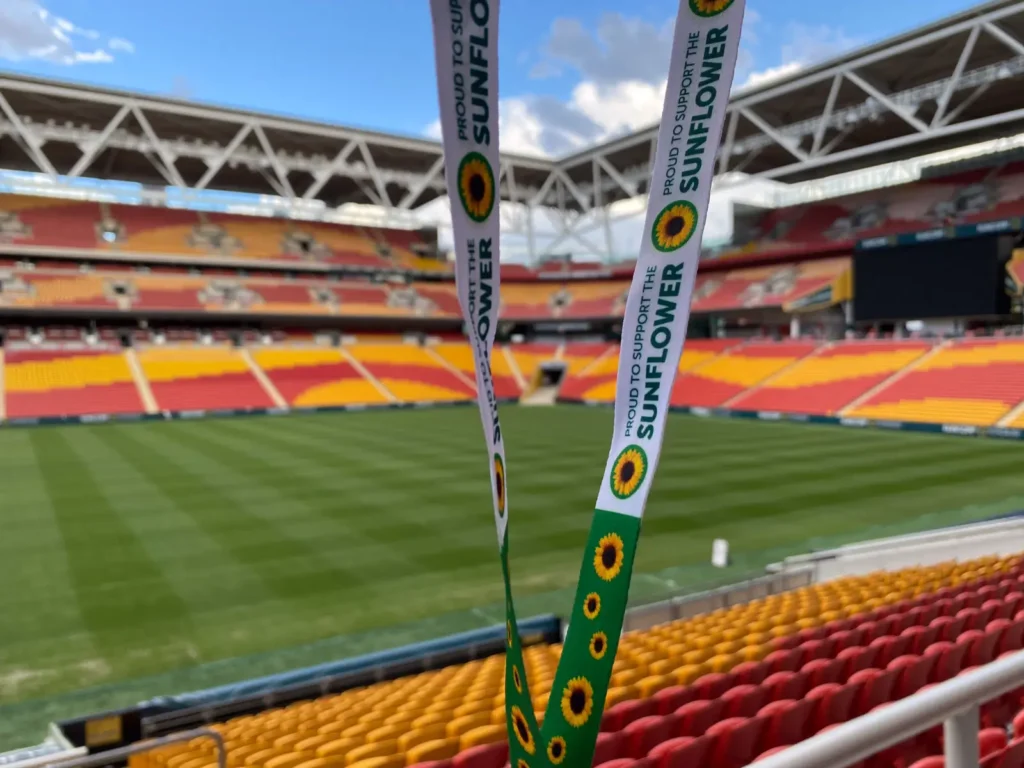
Suncorp Stadium is also part of the Sunflower Program, with staff trained to help patrons who may need extra time, guidance, or assistance.
Here’s how it works on event day:
- Patrons can choose to wear a Sunflower lanyard to discreetly signal they may need support.
- If you don’t have one, free lanyards can be collected from staff at the information stands and corporate entrances.
Suncorp Stadium also has a Quiet Room (a low-stimulus space for anyone who becomes overwhelmed during events). One publicly listed location is on the Level 3 concourse inside Gate A, with features like adjustable lighting, sensory items, privacy curtains, and trained staff.
How to be Sunflower-friendly (even if you’re not a venue)
You don’t need to be an airport or stadium to make a difference. Here are a few easy, high-impact ways any business, event team, or community group can support the Sunflower program:
1) Recognise the symbol
If someone is wearing the Sunflower, it may mean they need a little extra help, clearer instructions, or a calmer interaction.
2) Offer choices, not assumptions
Try: “Would you like me to explain that another way?”
Or: “Would you like a quieter spot / a moment / some extra time?”
3) Make your environment more predictable
Simple things like signage, step-by-step info, or “what to expect” guides can reduce anxiety massively.
4) Train your team
Sunflower-friendly experiences are built by people. Awareness and training help staff respond with confidence and kindness.
A quiet symbol that creates loud change
The Sunflower isn’t about special treatment. It’s about fair access, dignity, and making public spaces easier to navigate for people whose needs may not be obvious.
So next time you see the Sunflower lanyard, remember what it’s asking for:
A little more patience. A little more understanding. And a community that makes the invisible visible.